





Browse new and used horizontal grinders for sale from Morbark, Peterson Pacific, Vermeer, CBI, Bandit, Diamond Z, Rotochopper, and other manufacturers. A horizontal grinder feeds pre-sorted wood on a conveyor into a hammermill, producing consistent mulch, biomass fuel, and processed wood products at high volume. GrinderCrusherScreen has been helping operators find the right used horizontal grinder for sale since 1973. Browse our inventory below or call 770-433-2670 for pricing and availability.
How Horizontal Grinders Work
A horizontal grinder feeds material on a belt conveyor into a spinning hammermill or rotor fitted with replaceable hammers. The conveyor controls the feed rate. Hammers reduce the material and force it through a sizing screen. Screen size determines the final product dimension. The result is a consistent, uniform output — mulch, hog fuel, or wood chips — at high throughput rates.
Applications include:
- Mulch production — consistent particle size for bagged or bulk mulch
- Biomass and hog fuel — chips sized to meet power plant feed specifications
- Land clearing — sorted trees and brush (separated from dirt and rock)
- Pallet and crate recycling — clean wood into mulch, bedding, or fuel
- Sawmill waste — slabs, offcuts, bark, and trim processed into usable products
Feed stock must be pre-sorted. Rocks, metal, and heavy contamination damage the rotor and hammers. Operations processing dirty material use a shredder or tub grinder for rough material, then a horizontal grinder for clean wood.
Types of Horizontal Grinders
Stationary horizontal grinders — permanent installations at recycling yards and mulch plants. Maximum production at the lowest per-ton cost.
Track-mounted horizontal grinders — self-propelled for land clearing, logging, and portable biomass operations where the grinder moves to the material.
Wheel-mounted horizontal grinders — tow behind a truck for fast transport between prepared sites. The most common configuration for mulch producers and grinding contractors.
Horsepower & Capacity
Horizontal grinders range from approximately 400 HP to 1,200+ HP. The right horsepower depends on your production target and material type:
- 400–600 HP — suitable for smaller mulch operations, pallet recycling, and clean softwood processing. Handles 50–100+ tons per hour on clean material
- 700–900 HP — mid-range machines for commercial mulch production, biomass processing, and mixed wood waste. The workhorse range for most grinding contractors
- 1,000+ HP — large-scale biomass, high-volume mulch plants, and operations running multiple shifts. Maximum throughput for the highest daily tonnage
Higher horsepower does not always mean better. An oversized grinder costs more to operate, maintain, and transport. Match the machine to your actual daily volume.
Brands We Carry
- Morbark: the 3800 and 6600 series are standard machines on biomass and mulch operations
- Peterson Pacific: reliable grinders with strong dealer support for biomass and clean wood
- Vermeer: the HG series is popular with land clearing contractors; large dealer network
- CBI: high-throughput machines for large-scale biomass and mulch manufacturing
- Bandit: capable grinders for smaller operations and mixed equipment fleets
- Diamond Z: aggressive performance with a reputation for tough material
- Rotochopper: known for high-quality finished product in a single pass; popular for mulch coloring
We also see Rayco and DuraTech from time to time. Call 770-433-2670 if you need a specific model.
Horizontal Grinder vs. Tub Grinder
A horizontal grinder feeds clean, sorted wood at a controlled rate for higher throughput and a more uniform product. A tub grinder accepts oversized, irregular material — stumps, root balls, tangled brush — that would jam a horizontal grinder.
Many operations use both: a tub grinder for rough material, and a horizontal grinder for clean wood where product quality and volume matter most.
Find the Right Horizontal Grinder
Browse our current horizontal grinder inventory below, or call 770-433-2670 to talk with our team. We can help match you to the right machine, arrange financing, and coordinate delivery anywhere in North America.
Not sure whether a horizontal grinder or tub grinder fits your operation? Read our wood grinder buying guide for a full comparison, or our horizontal grinder buyer's guide for material analysis and sizing guidance.
Need replacement hammers? Browse grinder tips and hammers for all major manufacturers.
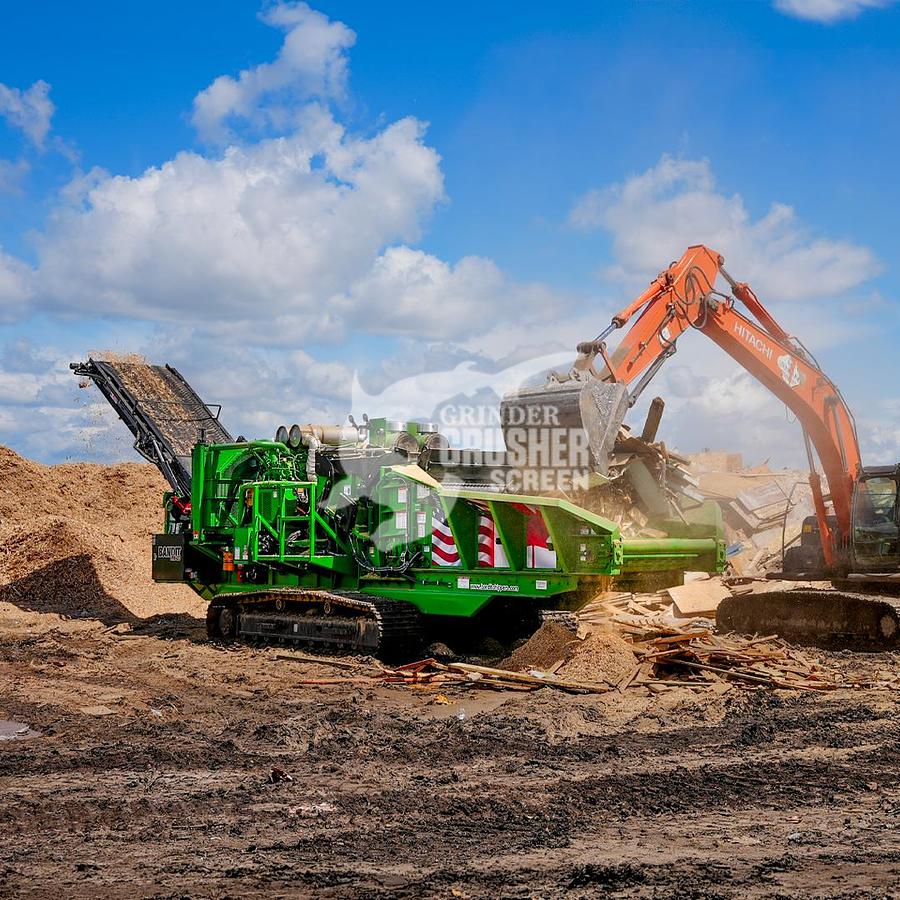
2026 BANDIT BEAST HM6420
The Bandit Beast HM6420 is one of the largest and most powerful horizontal grinders in Bandit's l...
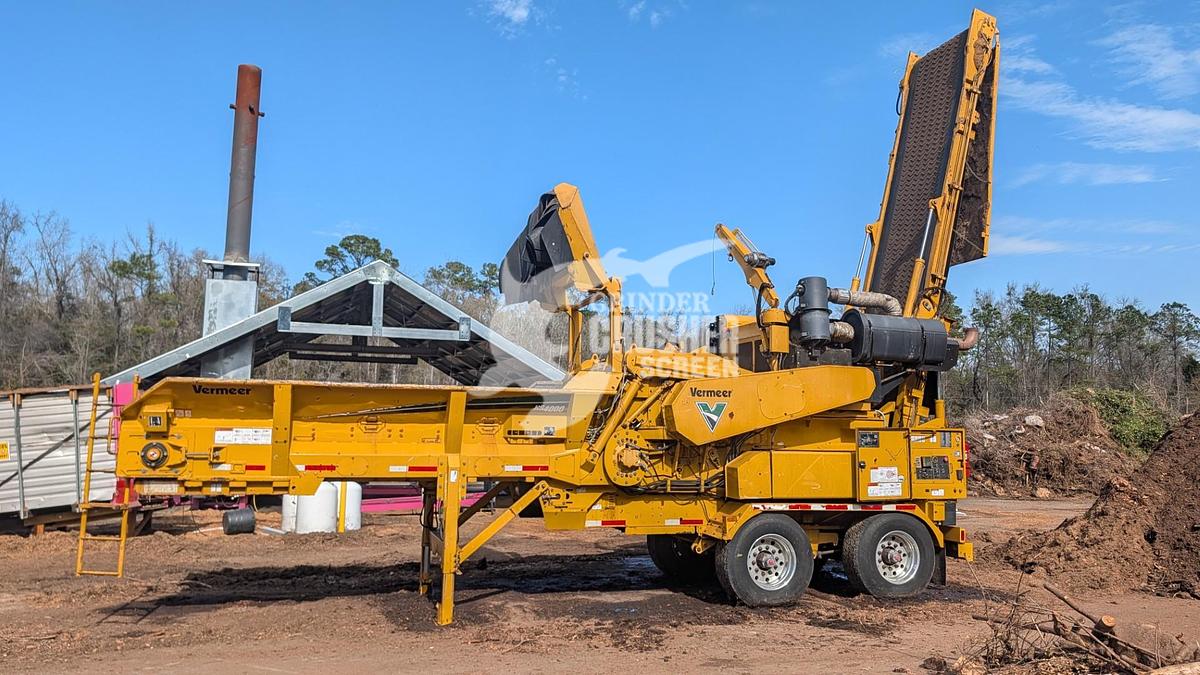
2019 VERMEER HG4000
2019 Vermeer HG4000 horizontal grinder designed for high-efficiency wood waste reduction and land...
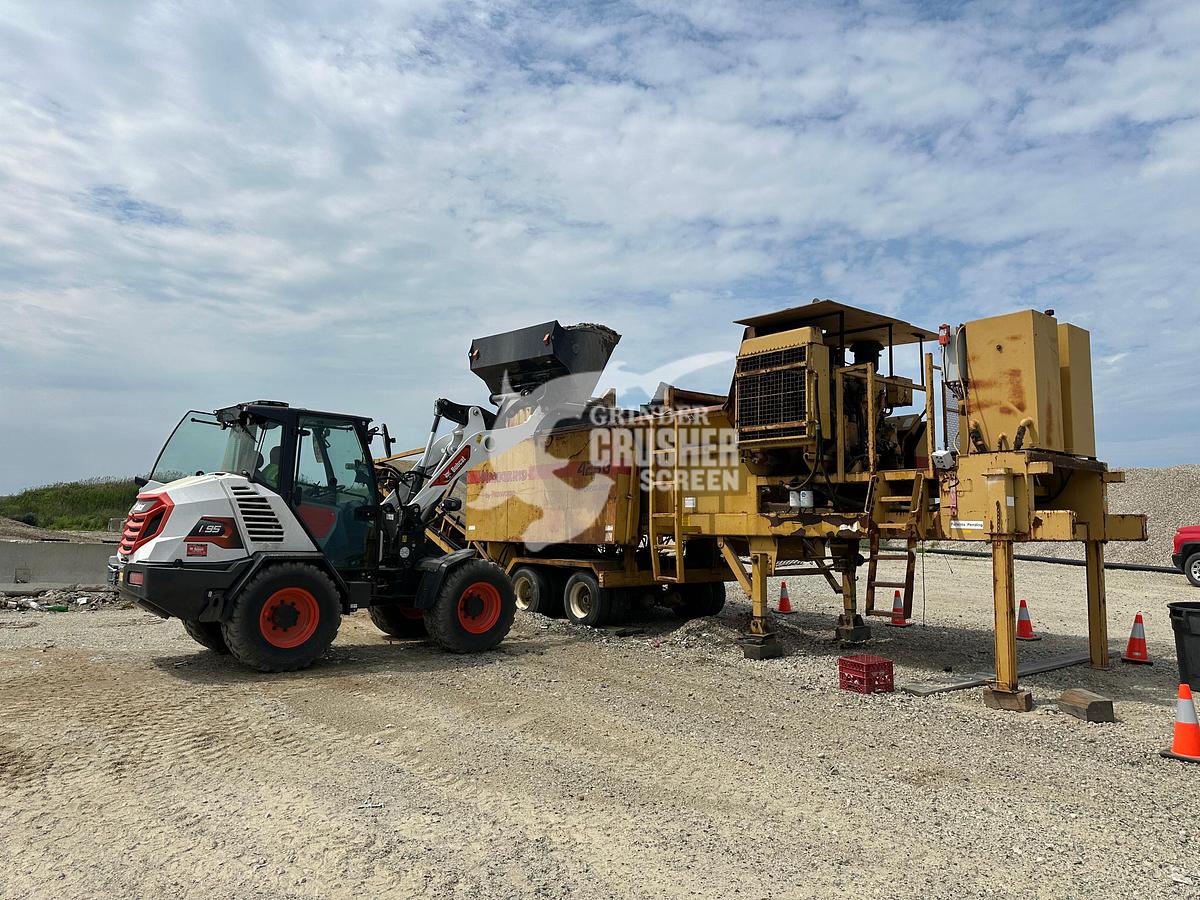
1994 Maxigrind 425G
1994 Rexgrind Maxigrind 425G. A 3406 CAT engine, just completed, new exhaust manifold, turbo and ...
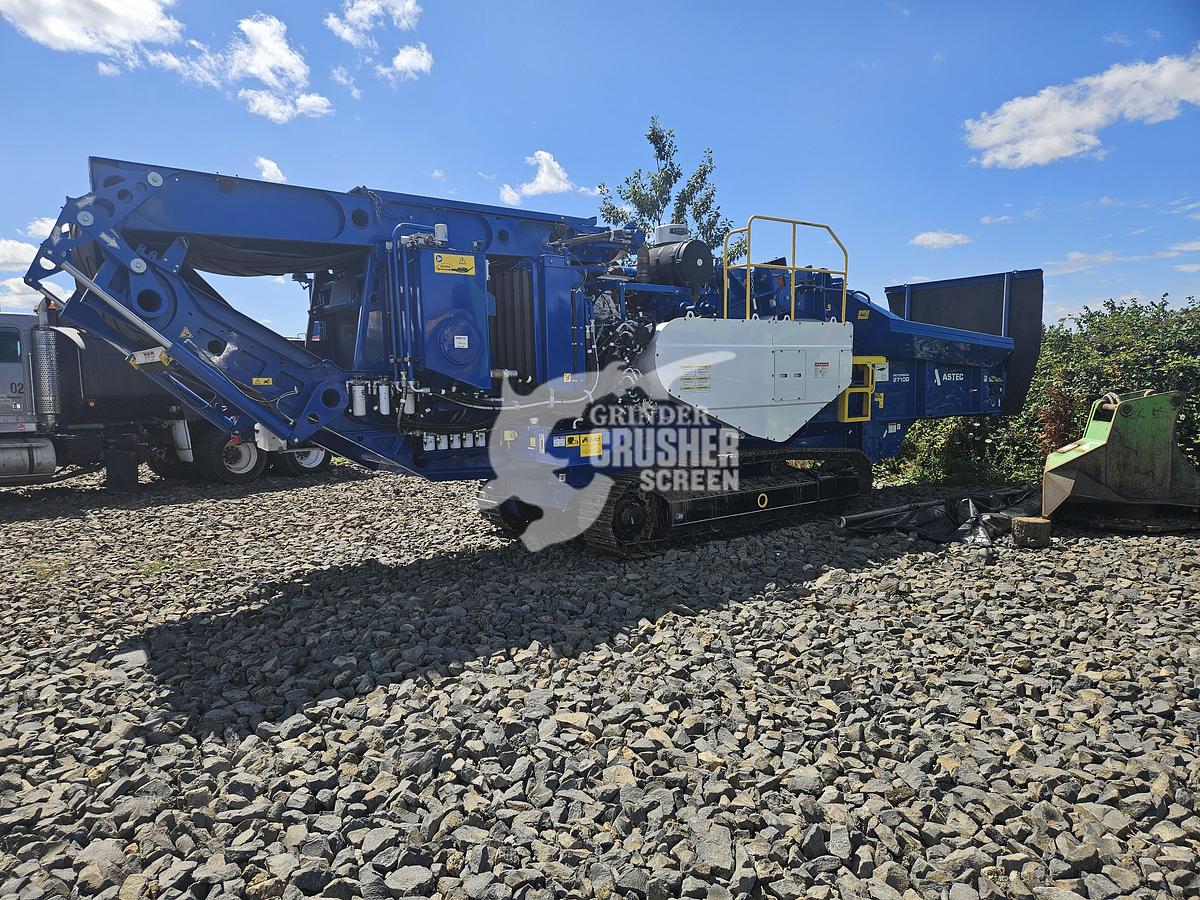
2022 Peterson 2710D
Closest to new as you can get. Grinder is in perfect condition. Reduce price (was $765,000) 202...