





Browse wheel-mounted horizontal grinders for sale from Morbark, Peterson Pacific, Rotochopper, Vermeer, Bandit, and other manufacturers. A wheel-mounted horizontal grinder tows behind a truck for fast highway transport between job sites. This is the most common configuration for mulch producers, sawmill waste processors, and grinding contractors who move between prepared sites on a regular schedule. GrinderCrusherScreen has been helping operators find the right grinding equipment since 1973. Browse our inventory below or call 770-433-2670 for pricing and availability.
Why Choose a Wheel-Mounted Horizontal Grinder?
A wheel-mounted horizontal grinder is built for road portability. You hitch it to a truck, tow it between sites at highway speed, and set up on flat or graded ground. There is no need for a lowboy trailer or special transport permits in most cases. That keeps mobilization costs low and your schedule flexible.
Wheel-mounted horizontal grinders are the preferred choice for:
- Mulch producers: tow the grinder to clean wood sources, grind on site, and haul finished mulch product back to the yard. Fast highway transport means you can serve multiple material sources in the same week
- Sawmill operations: process slabs, offcuts, edgings, and bark into hog fuel, mulch, or animal bedding. A wheel-mounted grinder is easy to reposition between mill locations
- Commercial mulch and color operations: Rotochopper and other manufacturers offer wheel-mounted grinders designed specifically for high-quality mulch production with single-pass coloring capability
- Grinding contractors: tow to the next job without scheduling a separate equipment haul. Serve multiple clients across a wide territory without the cost of a lowboy move for each site
- Municipal and county operations: move between yard waste drop-off sites, parks, and right-of-way clearing projects
Brands We Commonly See
Most major horizontal grinder manufacturers offer wheel-mounted configurations. Here is what we typically see:
- Rotochopper: known for producing a high-quality finished product in a single pass. Rotochopper wheel-mounted grinders are popular for mulch coloring operations and applications where output consistency is the top priority
- Morbark: heavy-duty wheel-mounted grinders for production-scale mulch and biomass processing. Morbark machines are a standard choice for high-volume operations
- Peterson Pacific: reliable wheel-mounted grinders built for contractors and yard-based wood processing operations
- Vermeer: the HG series is available in towable configurations popular with mulch producers and grinding contractors
- Bandit: wheel-mounted horizontal grinders for contractors running portable grinding operations. A solid option for smaller to mid-size operations
We also see Diamond Z, DuraTech, and other brands from time to time. If you are looking for a specific make or model, call 770-433-2670 and we can check current availability or help locate one.
Wheel-Mounted vs. Track-Mounted Horizontal Grinders
The choice comes down to how you get the grinder to the material.
A wheel-mounted horizontal grinder tows directly behind a truck for fast road transport. It sets up quickly on firm, level ground and is the right choice for operations that work multiple sites per week. The trade-off is limited off-road mobility. You need a prepared surface to operate on.
A track-mounted horizontal grinder crawls under its own power across uneven terrain, soft ground, and slopes. It is the right choice for land clearing, logging, and remote job sites where a wheeled machine cannot operate.
For most mulch producers and grinding contractors who work at prepared yards or paved sites, the wheel-mounted configuration is the more practical choice. You can move between jobs the same day without coordinating a separate equipment transport.
What to Check on a Wheel-Mounted Horizontal Grinder Before You Buy
Start with the running gear. Check the tires, axles, suspension, brakes, and tongue or pintle hitch for wear and damage. A grinder that tows between sites regularly puts road miles on its undercarriage. Look for signs of road fatigue, uneven tire wear, or frame stress around the hitch point.
Next, check the rotor and hammers. Inspect every hammer for wear, cracking, and missing tips. Check the rotor bearings for smooth rotation. Rebuilding a rotor is one of the most expensive repairs on a horizontal grinder.
Inspect the engine, service records, and oil condition. Wheel-mounted grinders run under heavy load during production and accumulate wear during road transport. A documented maintenance history is worth a premium.
Finally, check the feed conveyor, compression roller, screen condition, and discharge system. These components directly affect production quality and throughput.
We help coordinate inspections so buyers can evaluate a machine before committing. Call 770-433-2670 and our team can walk you through what to look for.
Find the Right Wheel-Mounted Horizontal Grinder
Browse our current wheel-mounted horizontal grinder inventory below, or call 770-433-2670 to talk with our team. We can help match you to the right machine, arrange financing, and coordinate delivery anywhere in North America.
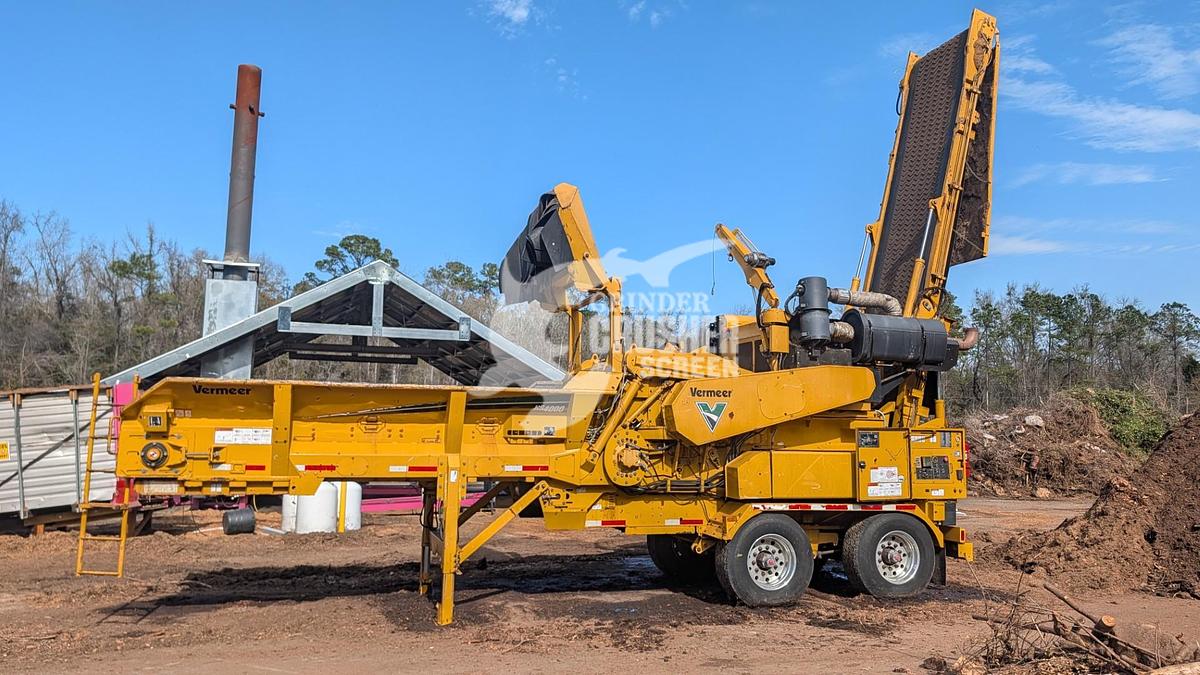
2019 VERMEER HG4000
2019 Vermeer HG4000 horizontal grinder designed for high-efficiency wood waste reduction and land...
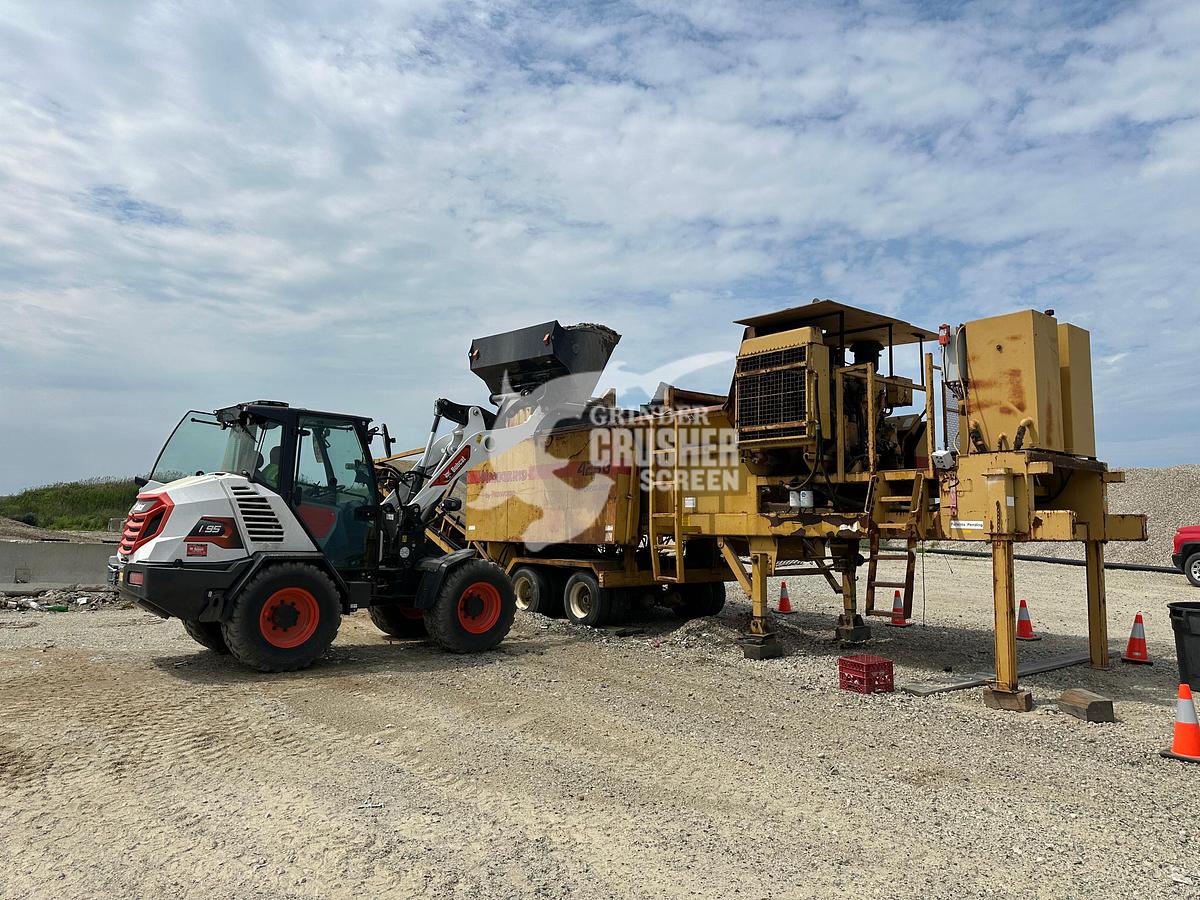
1994 Maxigrind 425G
1994 Rexgrind Maxigrind 425G. A 3406 CAT engine, just completed, new exhaust manifold, turbo and ...