





Used Jaw Crusher Inspection Checklist
A used jaw crusher can save you a significant amount of money compared to buying new. But a bad purchase can cost you even more in repairs, downtime, and lost production. Knowing what to check before you buy is the difference between a smart deal and an expensive mistake.
We have brokered used jaw crushers since 1973. We help arrange professional inspections and connect buyers with quality machines. This checklist covers every critical area to evaluate before you commit.
Why Inspect Before Buying
Jaw crushers are heavy, high-stress machines. Internal problems are not always visible from the outside. A crusher can look clean and well-maintained while hiding worn bearings, cracked frames, or damaged toggle systems.
A thorough inspection protects you in three ways. First, it reveals hidden problems before they become your problems. Second, it gives you real data to negotiate price based on actual condition. Third, it confirms whether the machine will do the job you need it to do.
We help arrange inspections for every used jaw crusher we broker. The buyer can send their own mechanic, hire a third-party inspector, or work with us to coordinate the process. Never buy a used crusher without an inspection.
The Inspection Checklist
1. Jaw Dies and Wear Plates
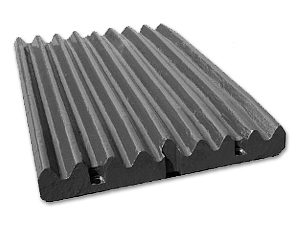
Jaw dies are the manganese steel plates that do the actual crushing. They are the highest-wear item on the machine. Browse our jaw crusher parts to understand replacement costs before you buy.
Check the wear pattern across the full face of both the fixed and swing jaw dies. Even wear from top to bottom is normal. Uneven wear, especially heavy wear on one side, may indicate a frame alignment problem or an issue with the toggle system.
Measure the remaining thickness of the dies at several points. Compare those measurements to the original thickness for that make and model. Dies that are more than 60 to 70 percent worn will need replacement soon. Factor replacement cost into your offer.
Also check the cheek plates (the wear plates on the side walls of the crushing chamber). These wear slower than the jaw dies but are still consumable items.
2. Toggle Plate and Toggle Seat
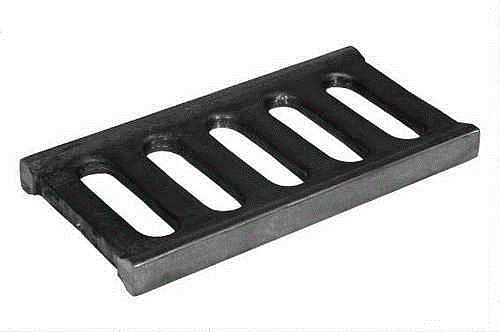
The toggle plate is a critical safety and wear component. It sits between the swing jaw and the rear of the frame. It transfers crushing force and is designed to break before more expensive components fail under overload.
Inspect the toggle plate for cracks, deformation, or uneven wear. A cracked toggle plate needs immediate replacement. Check the toggle seats on both the swing jaw and the frame. Worn toggle seats indicate high hours and should be measured against factory specs.
Toggle plates and seats are consumable jaw crusher parts, but excessive wear signals heavy use. Budget for replacement parts if they show significant wear.
3. Bearings
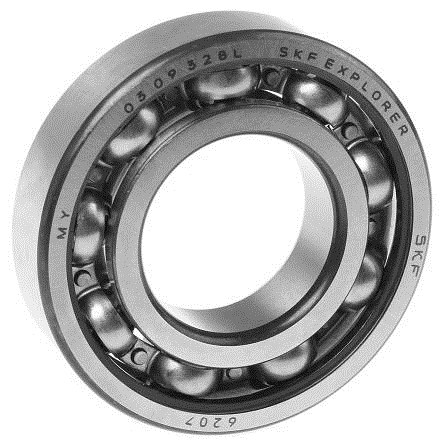
Bearing failure is the most common problem with used jaw crushers. The eccentric shaft bearings and the swing jaw pivot bearings carry enormous loads during operation.
If the crusher can be run during the inspection, listen carefully for unusual noise. A healthy crusher has a steady, rhythmic sound. Grinding, rumbling, or knocking from the bearing areas signals problems.
Use an infrared thermometer to check bearing temperatures during operation. Bearings running significantly hotter than ambient temperature after warm-up need further investigation.
Ask the seller for bearing replacement history. Bearings that have been replaced recently with quality components are a positive sign. Bearings with unknown history or high hours since replacement are a risk.
4. Frame and Structure
The frame is the most expensive component on a jaw crusher. A cracked frame is often a dealbreaker because repair costs can exceed the value of the machine.
Inspect the side plates carefully, paying close attention to the area near the pivot point and the toggle seat. These are the highest stress areas. Look for cracks, especially hairline cracks that may have been painted over.
Check all welds for fatigue cracks. On welded-frame crushers, the weld joints between the side plates and the cross members are common failure points. Run your hand along the welds and look for any signs of cracking or separation.
Examine the frame for signs of previous repair. Ground-down weld beads or mismatched paint can indicate past crack repairs. A repaired frame is not necessarily a bad thing, but you need to know about it and evaluate the quality of the repair.
5. Hydraulic CSS Adjustment
Most modern jaw crushers use hydraulic cylinders to adjust the closed side setting (CSS). The CSS determines the size of the crushed product. A properly working CSS adjustment is essential for producing material to spec.
Test the full range of adjustment. The CSS should move smoothly from the minimum to the maximum setting. Jerky movement or an inability to reach the full range suggests hydraulic cylinder problems or mechanical interference.
Check for hydraulic leaks at the cylinders, hoses, fittings, and control valve. Small leaks become big leaks under the vibration and stress of daily operation.
Verify that the CSS holds under load. If you can run the crusher during inspection, set the CSS and confirm it does not drift while material is being processed. A CSS that drifts means the hydraulic system cannot maintain pressure.
6. Flywheel and Drive
The flywheel stores energy between crushing strokes and keeps the eccentric shaft turning smoothly. Inspect the flywheel for cracks, especially around the hub and keyway. A cracked flywheel is dangerous and expensive to replace.
Check the drive belts for wear, cracking, and proper tension. Inspect the sheaves (pulleys) for groove wear. Worn sheaves chew through belts quickly and reduce power transfer.
Belt alignment matters. Misaligned belts wear unevenly and can throw belts during operation. Sight down the sheave faces to check alignment.
Evaluate the motor or engine that drives the crusher. Ask for the hour meter reading. If oil analysis records are available, review them. Oil analysis reveals internal wear metals that indicate engine condition better than any visual inspection.
7. Feed Opening and Discharge
Measure the actual feed opening dimensions and compare them to the manufacturer's specifications. A feed opening that has narrowed from its original size may indicate frame distortion.
Inspect the feed opening for bridging damage. Oversized material or tramp metal can damage the top of the crushing chamber. Look for dents, gouges, or deformation at the feed opening lips.
Check the discharge area for signs of packing or material buildup. Material that packs in the discharge area can indicate problems with the CSS setting, wet or sticky feed material, or worn jaw dies that are not producing a consistent product.
Hours and Maintenance History
Ask for every maintenance record available. A well-documented machine is worth more than one with no records, even if the hours are higher.
What to ask for: Service logs, bearing replacement dates, jaw die change records, oil analysis reports, and any repair documentation. Electrical and hydraulic system service records matter too.
Red flags: No records at all. Inconsistent hour meter readings between service entries. A machine that has changed hands multiple times with no documentation. An hour meter that has been replaced without noting the previous reading.
Hours in context: Jaw crusher hours mean different things depending on what the machine was crushing. A crusher running 8 hours a day on clean limestone wears differently than one processing dirty C&D debris with rebar and dirt. Hours alone do not tell the full story. Condition matters more.
Common Problems with Used Jaw Crushers
Bearing failures. This is the most frequent issue. Bearings fail from contamination (dust and dirt infiltration), lack of lubrication, overloading, or simple age. Replacing bearings on a jaw crusher is a significant job that requires pulling the eccentric shaft.
Frame cracks. The most expensive problem. Cracks in the side plates, near the bearing housings, or at weld joints can be repaired in some cases, but the cost and downtime are substantial. Severe frame cracks may make the machine uneconomical to repair.
Toggle system wear. Worn toggle plates, toggle seats, and tension rod components cause sloppy movement in the swing jaw. This affects product size consistency and can lead to accelerated wear on other components. We stock jaw crusher parts including toggle components for most common makes and models.
Electrical and control issues on older models. Older crushers may have outdated control panels, worn wiring, and obsolete components. Updating the electrical system on an older crusher adds cost. Make sure replacement parts and controls are still available for the model you are considering.
Price Ranges
Used jaw crusher prices depend on size, age, brand, condition, and hours. Here are general ranges to set expectations.
Small jaw crushers (under 30-inch feed opening): These are the entry-level machines for small to mid-size operations. They are the most affordable and the most commonly available on the used market.
Medium jaw crushers (30 to 42-inch feed opening): Mid-range machines for production aggregate operations, large C&D recyclers, and quarries. Prices increase substantially with size.
Large jaw crushers (42-inch feed opening and above): These are major capital equipment. Used prices remain high because demand is steady and supply is limited.
Brand reputation affects resale value. Machines from established manufacturers with good parts availability hold their value better than off-brand or discontinued models.
We list used jaw crushers regularly. Check our current inventory for real pricing on specific machines.
A Note on Material Compatibility
Jaw crushers handle concrete, rock, brick, block, and general C&D debris. They are the standard primary crusher for aggregate production and recycling operations.
Jaw crushers do not process asphalt. Asphalt is soft and sticky at the temperatures generated during crushing. It clogs jaw crushers and fouls the crushing chamber. If you need to process asphalt, look at impact crushers instead. Impact crushers handle asphalt well because their high-speed impact action breaks asphalt without the squeezing force that causes it to stick.
If your operation processes both concrete and asphalt, you need an impact crusher. A jaw crusher alone will not cover both materials. We cover this topic in more detail in our guide: what is a jaw crusher.
Frequently Asked Questions
How much does a used jaw crusher cost?
Pricing depends on the size, brand, condition, and hours. Small portable units sell for a fraction of what large stationary plant-scale crushers cost. The range is wide. Browse jaw crushers for sale on our site for current market pricing, or call 770-433-2670 for specifics on a particular machine.
What is the most common problem with used jaw crushers?
Bearing failure is the most frequent issue. Bearings handle enormous forces and are exposed to dust and vibration constantly. A machine with recently replaced, high-quality bearings and documented maintenance history is worth paying more for.
How many hours is too many on a jaw crusher?
There is no single cutoff number. Condition matters more than hours. A 5,000-hour crusher that was well-maintained and ran on clean material may be in better shape than a 2,000-hour machine that processed dirty C&D debris with poor maintenance. Always evaluate the actual condition through inspection rather than relying on hours alone.
Can I get financing for a used jaw crusher?
Many buyers finance used crusher purchases. Equipment financing is available through lenders who specialize in heavy equipment. Financing terms depend on the machine's age, value, and your credit profile. Learn more on our financing page or call us at 770-433-2670 to discuss options.
We have been brokering used crushing equipment since 1973. We help arrange inspections, connect buyers with quality machines, and handle the transaction. Sellers list with us at no cost. Buyers get access to our full inventory and our experience evaluating equipment.
Browse used jaw crushers for sale or call us at 770-433-2670.