




Best Mulch Dye Colors: Black, Brown, and Red Compared
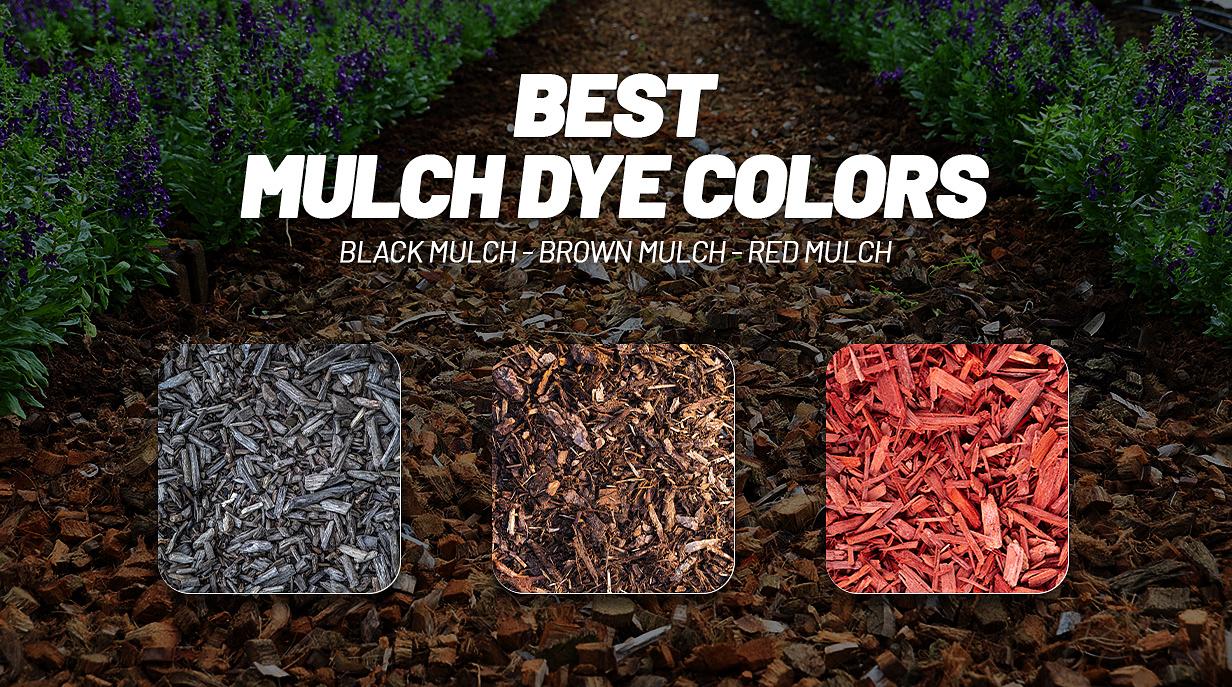
Colored mulch sells for more than natural mulch. The color is what catches the homeowner's eye at the supply yard, and it is what keeps them coming back season after season. Black, brown, and red are the three standard mulch dye colors on the market. Each one uses different pigments, fades at a different rate, and commands a different premium.
We have been selling mulch production equipment since 1973. Over that time, we have watched the colored mulch market grow from a niche product into the dominant segment of bagged and bulk mulch sales. Here is what you need to know about each color before you start dyeing.
How Mulch Dye Colors Are Made
All three standard mulch dye colors start with the same base chemistry: iron oxide pigments suspended in water. The pigment type determines the color. The concentration determines the depth of that color.
Black Mulch Dye
Black mulch dye uses carbon black pigment, sometimes blended with black iron oxide (magnetite, Fe₃O₄). Carbon black is the same pigment used in printing ink and tire manufacturing. It bonds tightly to wood fiber and resists UV breakdown better than any other mulch pigment.
Black dye is the most concentrated of the three colors. A little goes a long way. That high pigment density is one reason black holds its color longer than brown or red.
Brown Mulch Dye
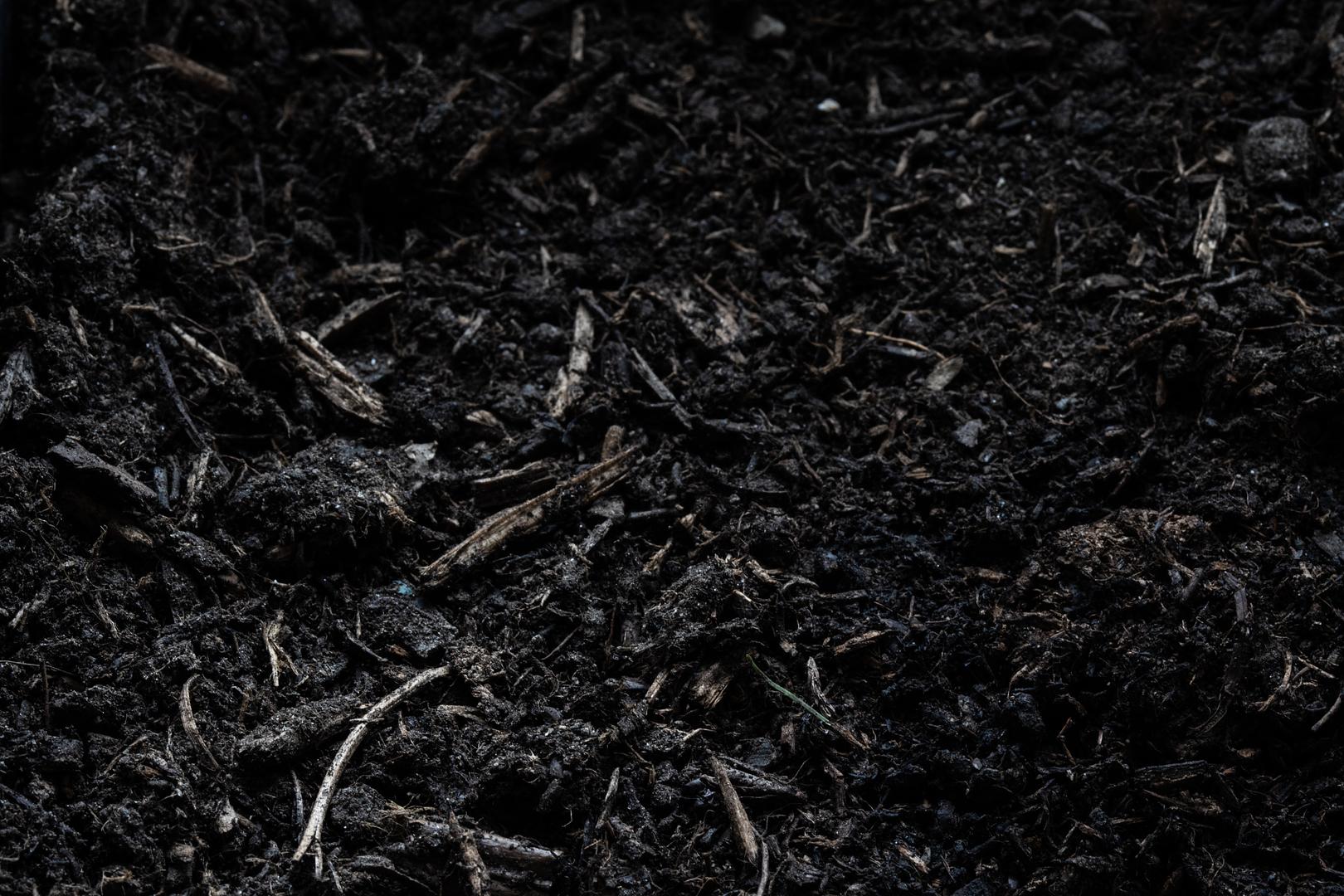
Brown mulch dye uses a blend of iron oxide pigments. Manufacturers mix yellow iron oxide (goethite), red iron oxide (hematite), and sometimes black iron oxide to hit different shades of brown. Adjusting the ratio between these three pigments produces everything from light tan to dark chocolate.
Brown is the most flexible color for custom blending. Producers can dial in a specific shade to match regional preferences or customer requests.
Red Mulch Dye
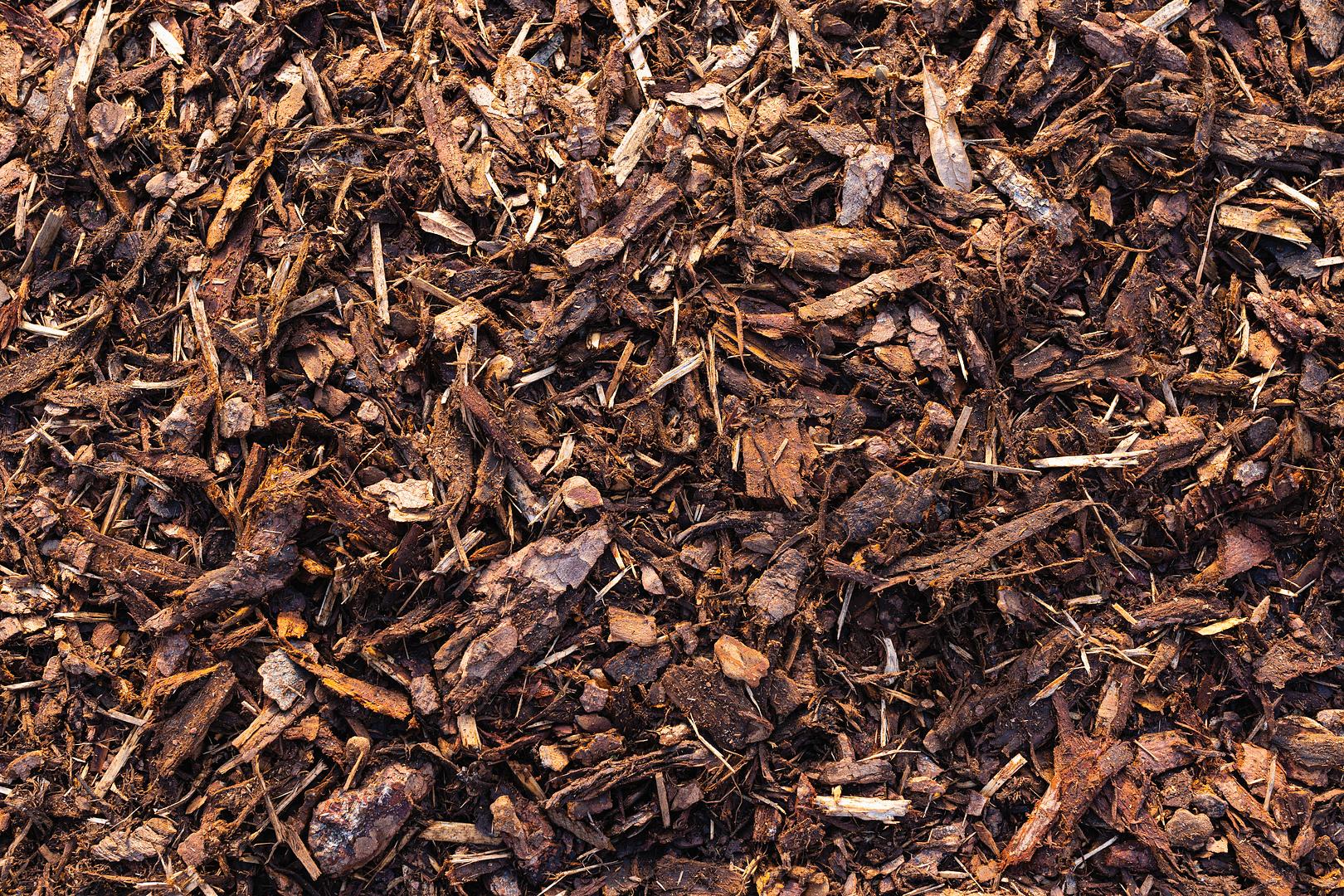
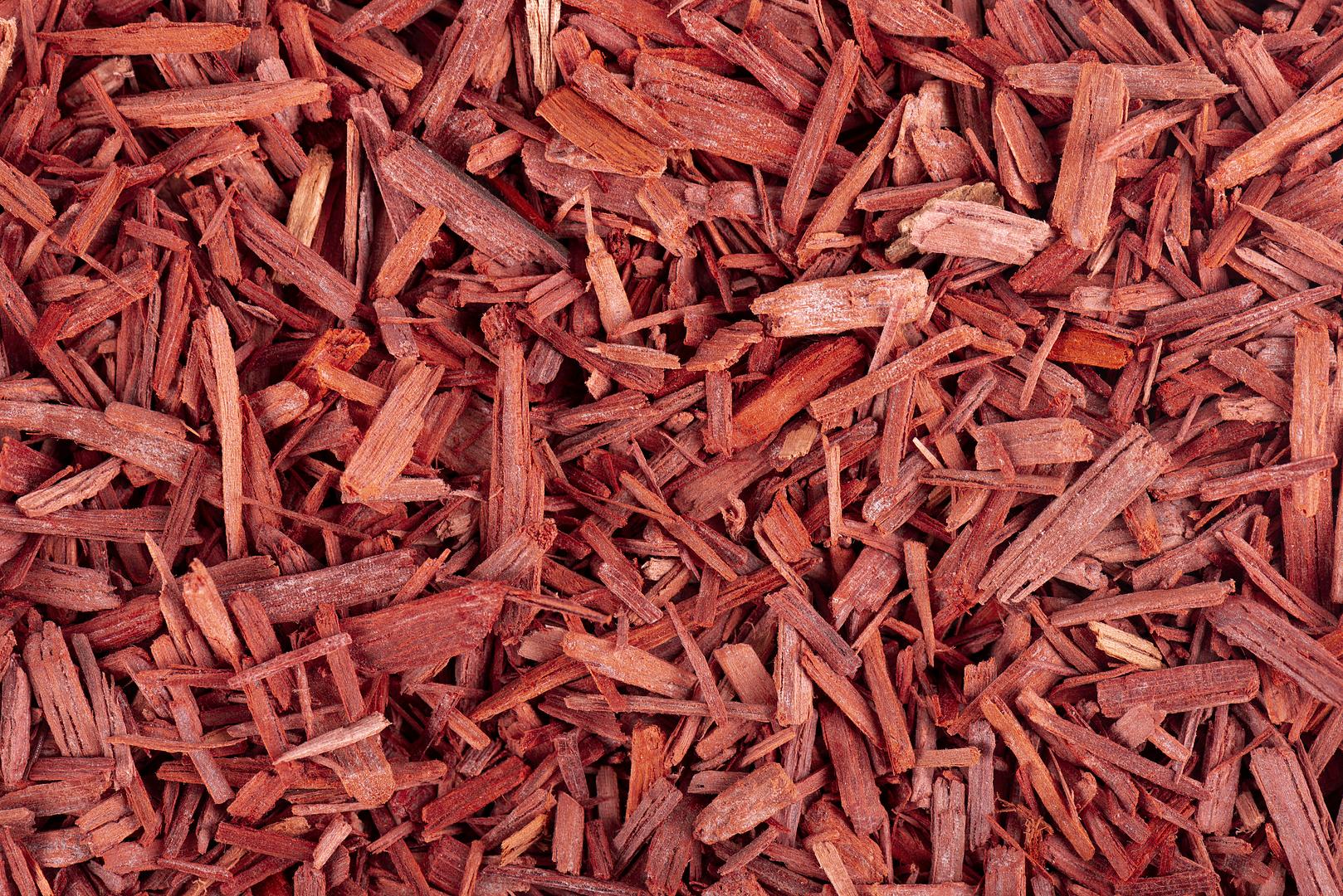
Red mulch dye uses red iron oxide (hematite, Fe₂O₃). This is the same pigment found in red brick, rust, and terra cotta pottery. It produces a bold, warm color that stands out in landscape beds.
Red iron oxide is safe and non-toxic. It occurs naturally in soil around the world. The pigment bonds to wood fiber through surface adhesion, but it does not penetrate as deeply as carbon black. That shallower bond is the main reason red fades faster.
For a deeper look at dye application methods, see our spray mulch dye guide.
Fade Rates by Color
Color longevity is the single biggest factor in mulch dye selection. Customers want color that lasts. Producers want fewer complaints. Fade rate varies significantly between the three standard colors.
Black mulch dye lasts 8 to 12 months. Carbon black pigment resists UV degradation better than iron oxide. Black also hides the natural graying of weathered wood. Even as the pigment breaks down, the underlying wood stays dark enough to look acceptable.
Brown mulch dye lasts 8 to 14 months. Brown holds up reasonably well because the blend of iron oxide pigments creates a color close to natural wood tones. As brown fades, it transitions gradually toward a lighter tan rather than looking washed out.
Red mulch dye lasts 4 to 8 months. Red iron oxide is the most UV-sensitive of the three pigments. Red also shows the most dramatic color shift as it fades, moving from bold red toward a dull orange-pink that customers dislike. Full sun exposure accelerates the fade.
These timelines assume outdoor exposure in full sun with normal rainfall. Shaded areas hold color longer. Dry climates extend fade timelines. Wet climates with heavy rain shorten them.
Higher application rates extend color life across all three colors, but there are diminishing returns past the recommended application rate.
We go deeper on dye application methods and equipment in our mulch dye guide.
Color Comparison Table
Color Pigment Fade Rate Dye Cost (per gal) Coverage Pricing Premium Market Share Black Carbon black / black iron oxide 8-12 months $8-$12 15-25 CY/gal $3-$5/yd vs natural #1 (40-45%) Brown Iron oxide blend (yellow, red, black) 8-14 months $7-$10 12-20 CY/gal $2-$4/yd vs natural #2 (35-40%) Red Red iron oxide (hematite) 4-8 months $6-$9 10-18 CY/gal $2-$4/yd vs natural #3 (15-20%)
Regional Preferences and Pricing Premiums
Mulch color preferences vary by region. Understanding your local market helps you stock the right mix and price accordingly.
Black dominates the Northeast and Mid-Atlantic. Homeowners in these regions prefer the clean, modern look of black mulch against green lawns and foundation plantings. Black mulch commands a premium of $3 to $5 per cubic yard over natural wood mulch.
Brown sells strongest in the Midwest and South. Brown looks the most natural. It blends with existing landscapes rather than contrasting against them. Brown mulch carries a premium of $2 to $4 per cubic yard.
Red holds a niche in the Southeast and Southwest. Red mulch has a loyal following among homeowners who want bold contrast. Red carries a premium of $2 to $4 per cubic yard. Some markets charge more for red because of higher dye consumption rates.
Across all regions, colored mulch outsells natural mulch in the retail and homeowner market. The total premium for colored versus natural mulch runs $2 to $5 per cubic yard. At 10,000 yards per year, that premium adds $20,000 to $50,000 in annual revenue.
Bagged colored mulch carries even higher margins. National home improvement chains sell bagged colored mulch at $4 to $6 per 2-cubic-foot bag, which translates to $54 to $81 per cubic yard at retail.
Color Mixing: How to Adjust Shades
One advantage of producing your own colored mulch using a mulch colorizer is the ability to create custom shades. Here is how producers adjust color.
Dark chocolate brown. Start with brown dye and add 10 to 15 percent black dye by volume. This creates a rich, dark brown that customers often prefer over standard brown.
Mahogany. Blend red and brown dye at a 60/40 ratio. The result is a warm, reddish-brown that fades more gracefully than straight red. Our article on why red mulch turns maroon covers this shade in more detail.
Light tan. Reduce the brown dye application rate by 30 to 40 percent. You can also dilute the dye with additional water. This creates a subtle, natural-looking color.
Jet black. Increase the black dye application rate by 15 to 20 percent above standard. Use carbon black dye rather than black iron oxide for the deepest, longest-lasting black.
When mixing colors, always run a test batch first. Dye 5 to 10 cubic yards and let it dry before committing to a full production run. Color looks different wet than dry, and it looks different under indoor lighting than in direct sun.
Keep detailed records of your mix ratios. Customers expect consistent color batch to batch. A shift in shade will generate complaints and returns.
Application Rates by Color
Each color requires a different amount of dye per cubic yard of mulch. The pigment concentration and coverage characteristics vary between colors.
Black dye: 1/2 to 3/4 gallon per cubic yard. Black dye is the most concentrated. Carbon black pigment covers thoroughly at lower application rates. At $8 to $12 per gallon, black dye costs $4 to $9 per cubic yard in dye alone.
Brown dye: 3/4 to 1 gallon per cubic yard. Brown requires a moderate application rate. The blended pigments need slightly more volume to achieve full coverage. At $7 to $10 per gallon, brown dye costs $5.25 to $10 per cubic yard.
Red dye: 1 to 1-1/4 gallons per cubic yard. Red requires the highest application rate. The red iron oxide pigment does not cover as efficiently as carbon black. At $6 to $9 per gallon, red dye costs $6 to $11.25 per cubic yard.
These rates assume an integrated dye system on a drum colorizer or pump-style colorizer spraying onto mulch as it moves through the machine. Hand-spray operations may use 10 to 20 percent more dye due to less uniform application.
Wood species affects dye uptake. Softwoods like pine absorb dye more readily than hardwoods like oak. Pallets and recycled wood accept dye well because the wood fibers are already broken down.
For step-by-step application instructions, see our Coloring Mulch 101 guide.
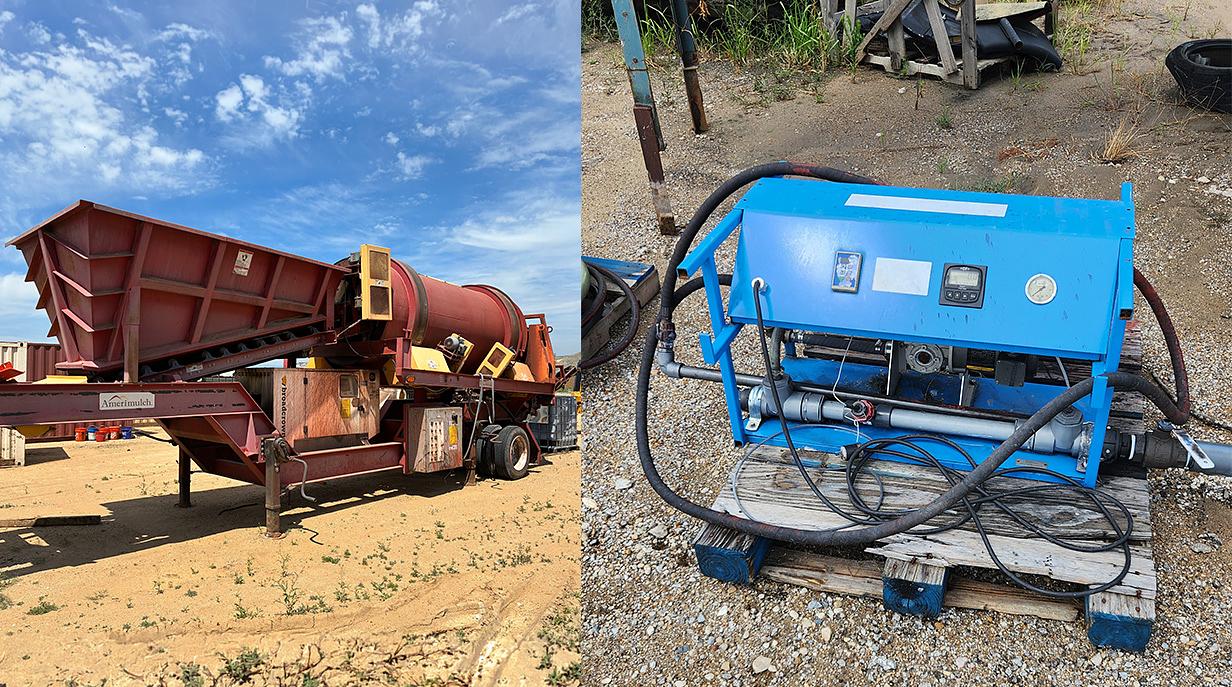
Drum Coloizer on the left: 2014 Amermulch Colortrom 125 Pump Style Colorizer on the right: 2021 TH Glennon Mulch Color Jet
What Affects Dye Cost and Color Quality
Wood moisture content. Dye bonds better to dry wood. Mulch above 40 percent moisture content requires more dye to reach the same color depth. Dry your ground material before dyeing when possible.
Grind size. Finer mulch has more surface area per cubic yard. More surface area means more dye consumption. A coarse double-grind uses less dye than a fine triple-grind.
Dye quality. Not all dyes are equal. Premium dyes from established manufacturers use higher pigment concentrations and better surfactants. Cheap dyes require more volume and fade faster.
Application method. Integrated spray systems on grinders and colorizers apply dye more evenly than hand-held sprayers. Even application means less waste and more consistent color.
If you are considering equipment for a colored mulch operation, give us a call. We can match you with the right grinder and colorizer setup for your production volume.
Frequently Asked Questions
Is mulch dye safe for pets and children?
Yes. Commercial mulch dyes use iron oxide and carbon black pigments that are non-toxic and chemically inert once dry. These are the same pigments used in cosmetics, food coloring, and children's art supplies. The dye is safe for pets, children, and plants after it dries, which takes 24 to 48 hours.
Which mulch dye color lasts the longest?
Black lasts the longest at 8 to 12 months. Carbon black pigment resists UV breakdown better than iron oxide pigments. Brown holds its color for 8 to 14 months. Red fades the fastest at 4 to 8 months in full sun.
Does colored mulch cost more than natural mulch?
Yes. Colored mulch sells for $2 to $5 more per cubic yard than natural wood mulch. The premium covers dye costs, extra processing time, and the added value customers place on consistent color. Black mulch typically commands the highest premium.
Can I mix mulch dye colors to make custom shades?
Yes. Mixing dye colors is common in the industry. Brown plus black creates dark chocolate. Red plus brown creates mahogany. Always run a small test batch before a full production run. Keep records of your ratios so you can reproduce the same shade. For more on color mixing and fade, read our Coloring Mulch 101 guide.
How much does mulch dye cost per gallon?
Black dye runs $8 to $12 per gallon, brown runs $7 to $10 per gallon, and red runs $6 to $9 per gallon. Black is the most expensive per gallon but covers more cubic yards per gallon than brown or red. Total dye cost per cubic yard is roughly similar across all three colors.
Will mulch dye stain my driveway or sidewalk?
Wet dyed mulch can stain concrete, pavers, and light-colored surfaces. The staining risk is highest with red and black dye. Advise customers to let colored mulch dry completely before placing it near light surfaces. Most stains wash off concrete with a pressure washer, but prevention is easier than cleanup.
Does rain wash mulch dye off?
Rain within the first 24 to 48 hours after installation can wash some pigment out of freshly dyed mulch. Once the dye has fully cured, normal rainfall does not wash it off. The pigment bonds to the wood fiber and stays put. Heavy, prolonged rain may cause minor color bleeding in the first week.
Which mulch color is best for flower beds?
That depends on the flowers and the look you want. Black mulch creates high contrast that makes bright flowers pop. Brown mulch provides a natural backdrop that does not compete with plant colors. Red mulch works well with white, yellow, and green plantings but can clash with pink and red flowers.
Get Started With Colored Mulch Production
The colored mulch market keeps growing. Homeowners and commercial property managers pay a premium for consistent, long-lasting color. Choosing the right dye color for your market and dialing in your application rates are the first steps toward higher margins on every yard you sell.
We have been helping mulch producers find the right equipment since 1973. Whether you need a grinder, a colorizer, or a full production line, we can help you build a system that fits your volume and budget.
Call us at 770-433-2670 or email Sales@grindercrusherscreen.com to talk through your colored mulch setup.