




How Mulch Gets Its Color: The Complete Guide to Mulch Dye and Coloring
Colored mulch is everywhere. Red mulch lines walkways. Black mulch fills commercial planter beds. Brown mulch covers residential flower gardens by the truckload every spring. But most people never think about how that color gets there.
We have been selling mulch production equipment since 1973. We work with mulch producers who color millions of cubic yards every year. This guide explains exactly what mulch dye is, how it works, and how the pros apply it at scale.
What Is Mulch Dye Made Of?
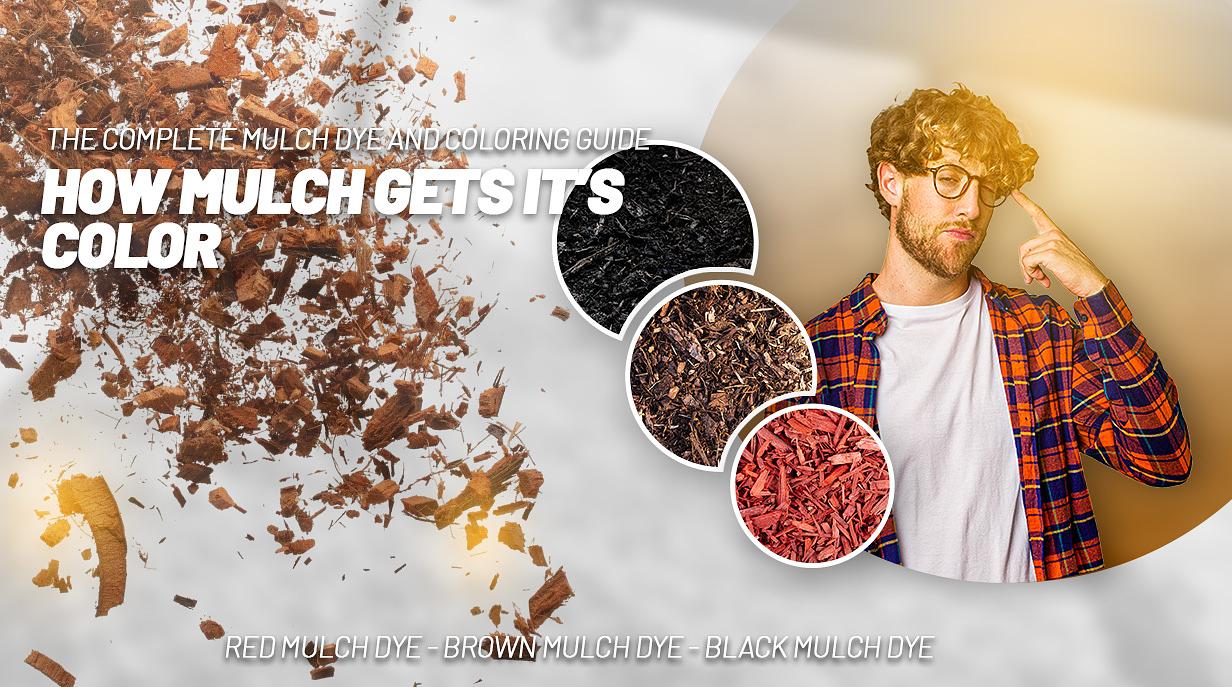
Mulch dye is a water-based colorant made from iron oxide pigments or carbon black. These are the same pigments used in cosmetics, food packaging, and construction materials. They are not paint. They bond to wood fiber at the cellular level and do not create a surface film that flakes off.
Here is what goes into each color:
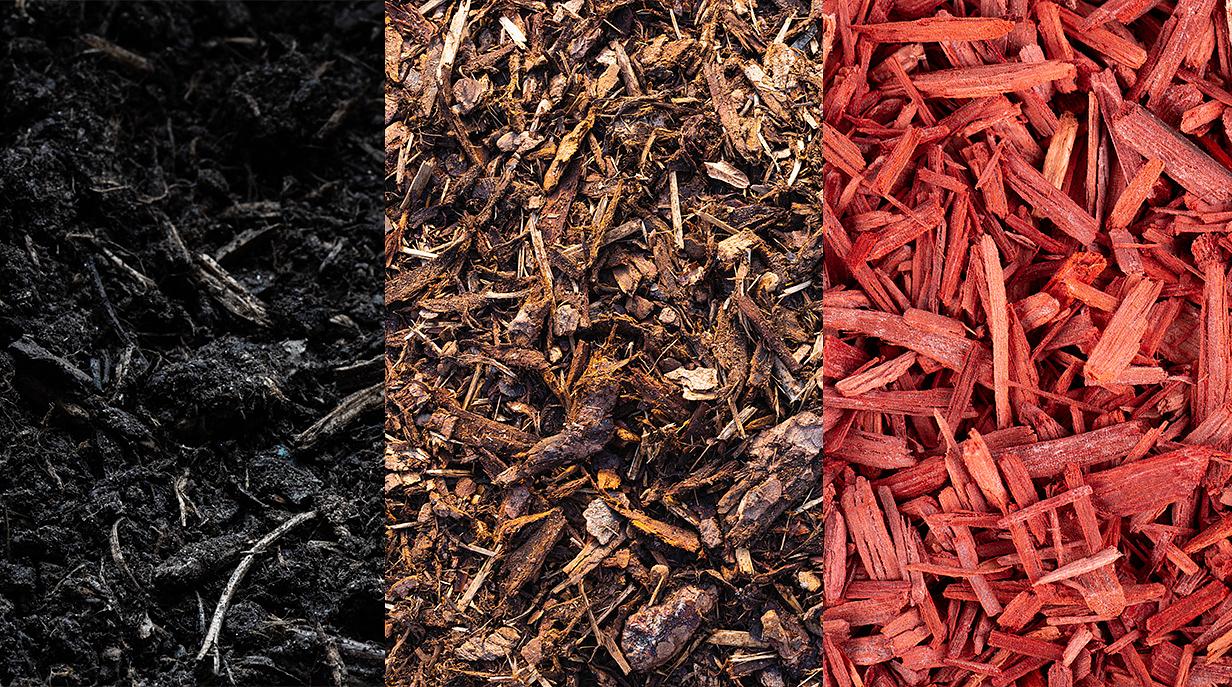
Red mulch dye uses iron oxide (Fe₂O₃), the same compound that gives rust its color. The pigment concentration determines whether the final shade is bright red, brick red, or a deep maroon. Red iron oxide pigment costs roughly $0.60 to $0.90 per pound in bulk.
Brown mulch dye blends iron oxide pigments in varying ratios. A warm brown uses more red oxide. A cool brown leans on yellow oxide. Some formulas add a small percentage of carbon black to deepen the tone. Brown dyes typically cost $0.70 to $1.00 per pound of pigment concentrate.
Black mulch dye relies on carbon black, a fine powder produced by burning hydrocarbons in a controlled environment. Carbon black is extremely light and goes a long way. It produces a deep, uniform black that holds its color well. Carbon black pigment runs $0.80 to $1.20 per pound in bulk quantities.
All commercial mulch dyes are suspended in water with a small amount of binder, usually a natural or synthetic latex. The binder helps the pigment adhere to the wood fiber and resist washing off in rain.
Color Primary Pigment Bulk Cost (per lb) Coverage (gal/CY) Fade Resistance Red Iron oxide (Fe₂O₃) $0.60-$0.90 1.5-2.5 CY/gal 4-8 months Brown Iron oxide blend $0.70-$1.00 1.5-2.5 CY/gal 8-14 months Black Carbon black $0.80-$1.20 2.0-3.0 CY/gal 8-12 months Coverage rates depend on the wood substrate, the dye concentration, and how dark the producer wants the final product.
Is Mulch Dye Safe?
Yes. Commercial mulch dyes are non-toxic once dry.
Iron oxide is one of the most common minerals on earth. You eat trace amounts of it every day in fortified cereals and bread. The FDA lists iron oxide as an approved color additive exempt from certification under 21 CFR 73.200. The EPA does not regulate iron oxide mulch dyes as hazardous.
Carbon black used in mulch dyes is also considered safe for its intended application. It is bound in a water-based suspension and locked into wood fiber once applied. It does not leach into soil or groundwater in measurable amounts.
Here are the key safety facts:
- Pet safe. Dried mulch dye does not transfer to paws or fur. Dogs and cats can walk on colored mulch without risk.
- Garden safe. Colored mulch will not harm plants, vegetables, or soil biology. The dye stays bonded to the wood fiber as it decomposes.
- Water safe. Properly cured colored mulch does not bleed into storm drains or waterways. Fresh colored mulch needs 24 to 48 hours of dry weather to cure fully.
- Skin safe. Wet dye will stain hands and clothes temporarily. Dried dye does not transfer. Producers should wear gloves during the coloring process.
The one thing to watch for is the source wood, not the dye. Mulch made from CCA-treated lumber (chromated copper arsenate) contains arsenic regardless of whether it is dyed. Reputable producers screen their feedstock and reject treated wood. The dye itself is not the concern.
How Commercial Mulch Producers Color Mulch
Small landscapers sometimes try to color mulch with pump sprayers or garden hose attachments. That approach works for a few cubic yards. It does not work for production volumes.
Commercial mulch producers use dedicated mulch coloring machines that meter the dye, mix it with water, and spray it onto the mulch in a continuous flow. These machines process 50 to 200 cubic yards per hour depending on the model and conveyor setup.
The Production Process
- Grinding. Raw wood waste is ground through a horizontal grinder or tub grinder to a consistent chip size, typically 2 to 3 inches.
- Screening. Ground material passes through a trommel screen or vibrating screen to remove oversize pieces and contaminants.
- Coloring. Screened mulch feeds onto a conveyor belt and passes through the colorizer machine. Spray nozzles apply dye from multiple angles. A mixing drum or tumbling section ensures full coverage.
- Curing. Colored mulch drops into a stockpile and sits for 24 to 48 hours. The dye bonds to the wood fiber and dries.
- Loading. Cured colored mulch is loaded into trucks or bagged for retail sale.
The colorizer machine is the heart of the operation. It controls dye concentration, spray volume, and material flow rate. A well-tuned machine produces uniform color with minimal dye waste.
Trommel Integration
Many producers run their colorizer inline with a trommel screen. The trommel removes fines and oversize material first. Clean, consistently sized mulch takes dye more evenly and uses less colorant per cubic yard. Producers who skip the screening step burn through 15 to 25 percent more dye to get the same color depth.
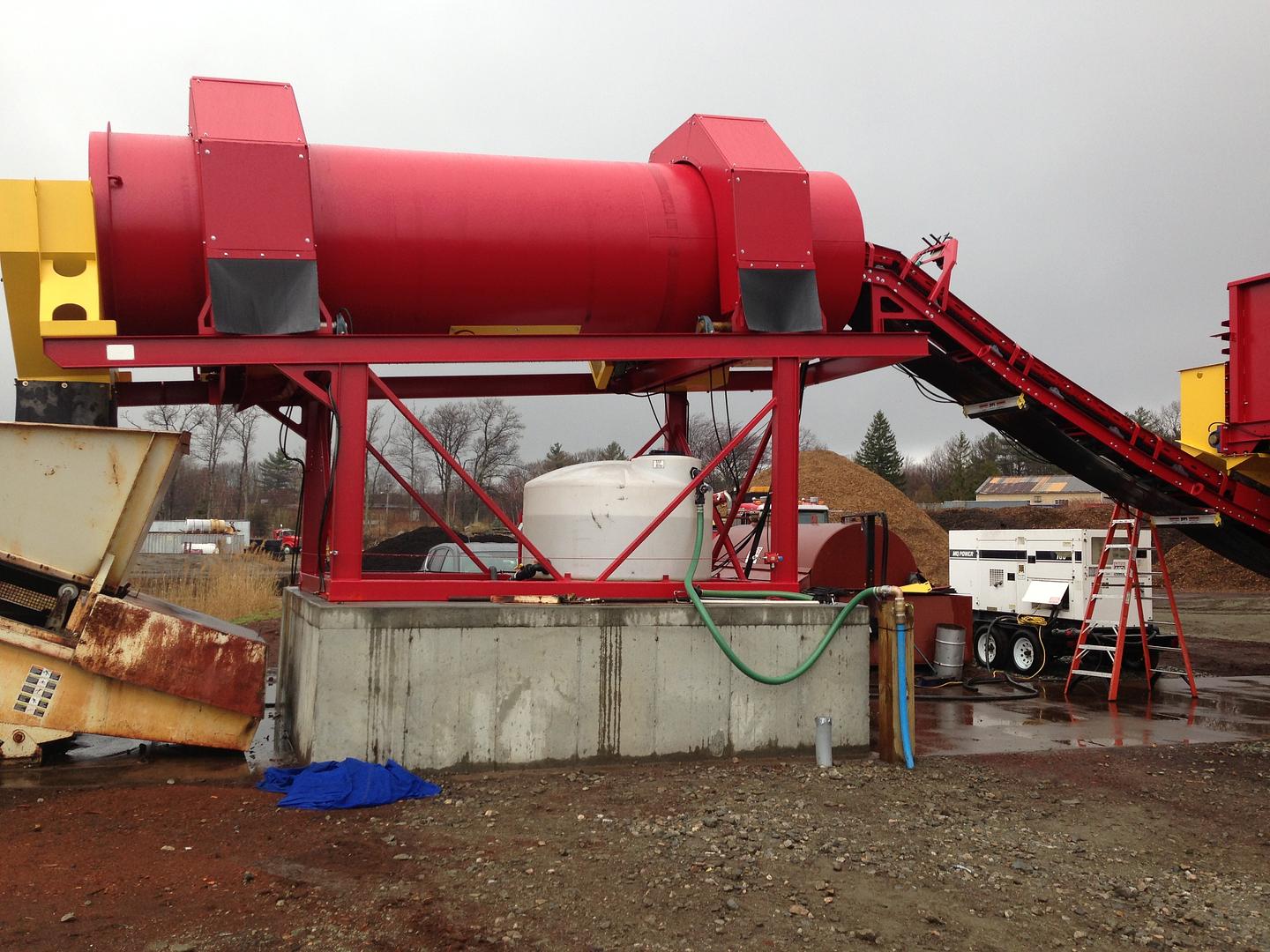
Machine above: 2014 Amerimulch Colortrom 250 - Colorizer
DIY Spray vs. Commercial Coloring
DIY Spray Method Commercial Colorizer Machine Volume 1-10 CY/day 50-200 CY/hr Dye cost $3.00-$6.00/yard $0.40-$1.50/yard Color consistency Uneven; requires hand mixing Uniform machine-controlled Labor 1-2 hrs per CY 1-2 operators for full production line Equipment cost $15-$50 (pump sprayer) $15,000-$80,000 (colorizer machine) Durability 4-8 months 4-14 months DIY Method
Buy a concentrated mulch dye from a garden supply store or online. Mix it with water in a pump sprayer or attach it to a garden hose sprayer. Spread mulch in a thin layer on a tarp or driveway. Spray the dye evenly, turn the mulch with a rake, and spray again. Let it dry for 24 hours.
This works for refreshing a few yards of faded mulch in your own flower beds. The color will not be perfectly even. It will fade faster than commercially colored mulch because the application is less consistent and the dye concentration is lower.
Commercial Method
A colorizer machine applies dye at a controlled rate while mulch tumbles through a drum or moves along a conveyor. The dye hits the material from every angle. Binder concentrations are higher. Coverage is consistent across every cubic yard in the batch.
The result lasts longer, looks better, and costs far less per yard at production volumes. A producer coloring 20,000 cubic yards per year spends $0.40 to $0.80 per yard on dye. A homeowner spraying 5 yards by hand spends $4.00 to $6.00 per yard on retail dye concentrate.
If you are producing mulch for resale, a commercial colorizer is not optional. It is the difference between a professional product and a backyard experiment.
Why Colored Mulch Fades and How to Prevent It
All colored mulch fades eventually. Understanding why helps producers make a product that holds its color longer.
What Causes Fading
UV radiation. Sunlight breaks down iron oxide and carbon black pigments over time. This is the single biggest factor. South-facing beds in full sun will fade 30 to 40 percent faster than shaded beds.
Rain and irrigation. Water washes loose pigment from the surface of wood chips. The first few heavy rains after installation remove the most color. Mulch that cured for less than 48 hours before rain will lose color rapidly.
Microbial decomposition. As fungi and bacteria break down wood fiber, they release the pigment bonded to that fiber. This is a slow process that becomes noticeable after 6 to 12 months.
Foot traffic and disturbance. Raking, blowing, or walking on colored mulch breaks chips and exposes uncolored interior wood. This creates a washed-out appearance even when the surface color is still strong.
How to Maximize Color Life
For producers:
- Use a higher dye concentration. An extra $0.10 to $0.20 per yard in dye adds 3 to 5 months of color life.
- Ensure full cure time. Do not sell or deliver colored mulch less than 48 hours after coloring.
- Screen material before coloring. Consistent chip size means even dye coverage and fewer light spots.
- Use dyes with higher binder content. The binder locks pigment into the wood and resists wash-off.
- Store colored mulch under cover if possible.
For homeowners:
- Install mulch at 2 to 3 inches deep. Thinner layers fade faster.
- Avoid disturbing mulch unnecessarily. Raking exposes uncolored undersides.
- Choose black or dark brown for longest color retention. Red fades the fastest of the three common colors.
- Buy from a local producer who colors on site.
For more on red mulch color options and fade timelines, see our article on how to keep red mulch from turning maroon.
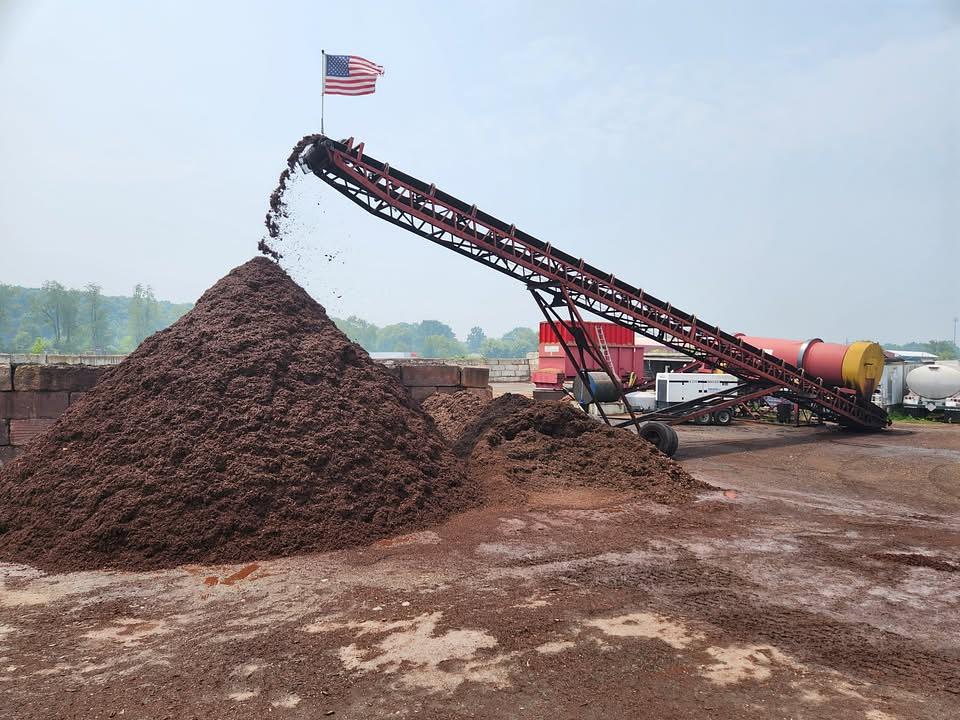
Machine above: 2008 Amerimulch Colortrom 250 - Colorizer
Mulch Dye Colors and What Affects the Final Shade
The color on the bag or in the stockpile is not always the color you get in the flower bed. Several factors affect the final appearance.
Wood Species and Substrate
Hardwood mulch (oak, maple, hickory) absorbs dye differently than softwood (pine, cedar, cypress). Hardwoods tend to produce a richer, deeper color. Softwoods are lighter and may need a higher dye rate to reach the same shade.
Pallet wood and recycled lumber grind into a lighter-colored mulch that takes dye well. Fresh bark grindings are already dark and may shift dye colors. A red dye on dark bark can turn maroon or wine-colored. A brown dye on light pallet wood stays true to the intended shade.
Dye Concentration
More pigment means deeper color. Producers can adjust the dye-to-water ratio on their colorizer machine to dial in the exact shade they want. A ratio of 1 part dye concentrate to 3 parts water is typical for standard color. A 1:2 ratio produces a deeper, longer-lasting shade. A 1:5 ratio gives a lighter, more natural-looking tone.
Moisture Content
Wet wood absorbs more water and less pigment. Dry wood absorbs dye more aggressively and produces darker results. The ideal moisture content for coloring is 25 to 40 percent.
Popular Color Variations
Color Name Primary Pigment Look Best Substrate Cherry Red Iron oxide (high red) Bright, vivid red Light hardwood or pallet wood Brick Red Iron oxide (red-brown blend) Earthy, warm red Any hardwood Maroon Iron oxide (high concentration) Deep wine color Dark bark or hardwood Mocha Brown Iron oxide (brown blend) Medium warm brown Pallet wood or light hardwood Dark Brown Iron oxide + carbon black Rich chocolate Any substrate Midnight Black Carbon black True black Any substrate Gold/Cedar Iron oxide (yellow-dominant) Natural cedar tone Light softwood For more color mixing detail, read our Coloring Mulch 101 guide.
The Business Case for Colored Mulch
Colored mulch sells for $8 to $15 more per cubic yard than natural mulch. A producer adding color to 30,000 cubic yards per year at an average premium of $10 per yard adds $300,000 in gross revenue. Dye costs on that volume run $12,000 to $24,000. The margin is enormous.
The colored mulch market has grown steadily for two decades. Homeowners prefer it because it looks neat and uniform. Commercial property managers require it because it photographs well and maintains curb appeal longer. Garden centers stock it because it outsells natural mulch 3 to 1 in most markets.
If you already grind and sell mulch, adding color is the single highest-margin upgrade to your operation.
Frequently Asked Questions
Is mulch dye toxic to dogs?
No. Commercial mulch dye uses iron oxide and carbon black pigments that are non-toxic once dry. Dogs can walk on, lie on, and even chew colored mulch without risk from the dye. The bigger concern is cocoa shell mulch, which contains theobromine and is genuinely dangerous to dogs. Standard wood mulch with dye is safe.
How long does mulch dye last?
Commercial-grade colored mulch holds its color for 4 to 14 months depending on color, sun exposure, rainfall, and dye quality. Black mulch lasts the longest. Red mulch fades the fastest. Mulch in full shade can look good for two full growing seasons.
Does colored mulch leach chemicals into soil?
No. Iron oxide and carbon black pigments are insoluble in water and do not leach into soil in any meaningful concentration. Multiple university extension studies have confirmed that colored mulch does not affect soil chemistry, plant health, or groundwater quality.
Can I re-dye faded mulch instead of replacing it?
Yes. Homeowners can spray faded mulch with a pump sprayer and diluted dye concentrate. Producers can run faded or returned mulch back through the colorizer. Re-dyeing costs roughly half of what fresh coloring costs because the old pigment provides a base layer.
What is the difference between mulch dye and mulch paint?
Mulch dye penetrates wood fiber and bonds at a cellular level. Mulch paint sits on the surface and forms a film. Dye is the industry standard for production-scale mulch coloring. Paint is sometimes used for small DIY projects but flakes, chips, and washes off much faster than dye.
How much does it cost to start coloring mulch commercially?
A basic colorizer machine starts around $15,000. Mid-range production units run $30,000 to $50,000. High-capacity systems with conveyors and automation can reach $80,000 or more. Dye concentrate costs $0.40 to $1.50 per cubic yard depending on color and concentration. Most producers recoup their equipment cost within the first year.
Does mulch dye stain concrete or pavers?
Wet colored mulch can stain light-colored concrete, pavers, and siding. The stain is temporary and fades with weathering and cleaning. Once the mulch is fully cured and dry, staining risk drops significantly. Producers recommend waiting 48 hours after coloring before delivery.
Is black mulch dye different from red or brown?
Yes. Black dye uses carbon black pigment. Red and brown dyes use iron oxide pigments. Carbon black produces a more UV-resistant color, which is why black mulch holds its shade longer than red or brown. The application process is the same for all colors on a commercial colorizer.
Get the Right Coloring Equipment for Your Operation
Whether you are adding color to an existing mulch production line or building a new operation from scratch, the equipment matters. The right colorizer machine saves dye, produces consistent color, and keeps your line moving at full speed.
We have helped mulch producers choose and set up coloring equipment for decades. We carry machines that fit operations from 20,000 cubic yards per year to well over 100,000. Browse our mulch colorizer inventory or read our Coloring Mulch 101 guide to compare options. We also carry drum colorizers and pump-style colorizers for different production setups.
Call us at 770-433-2670 or email Sales@grindercrusherscreen.com to talk about what fits your production goals.