





Used Screening Bucket Buying Checklist: What to Inspect Before You Buy
A used screening bucket can be a smart purchase. You get an excavator attachment that screens topsoil, compost, dirt, and aggregate at a fraction of what a new unit costs. But a bad buy puts you on the hook for worn screens, seized bearings, and hydraulic problems that cost more to fix than the bucket is worth.
We have been selling screening equipment since 1973. We broker used equipment and help buyers evaluate condition before they commit. We also sell new trommel screens and shaker screens as standalone alternatives. This checklist covers what to inspect, what to walk away from, and what a fair price looks like.
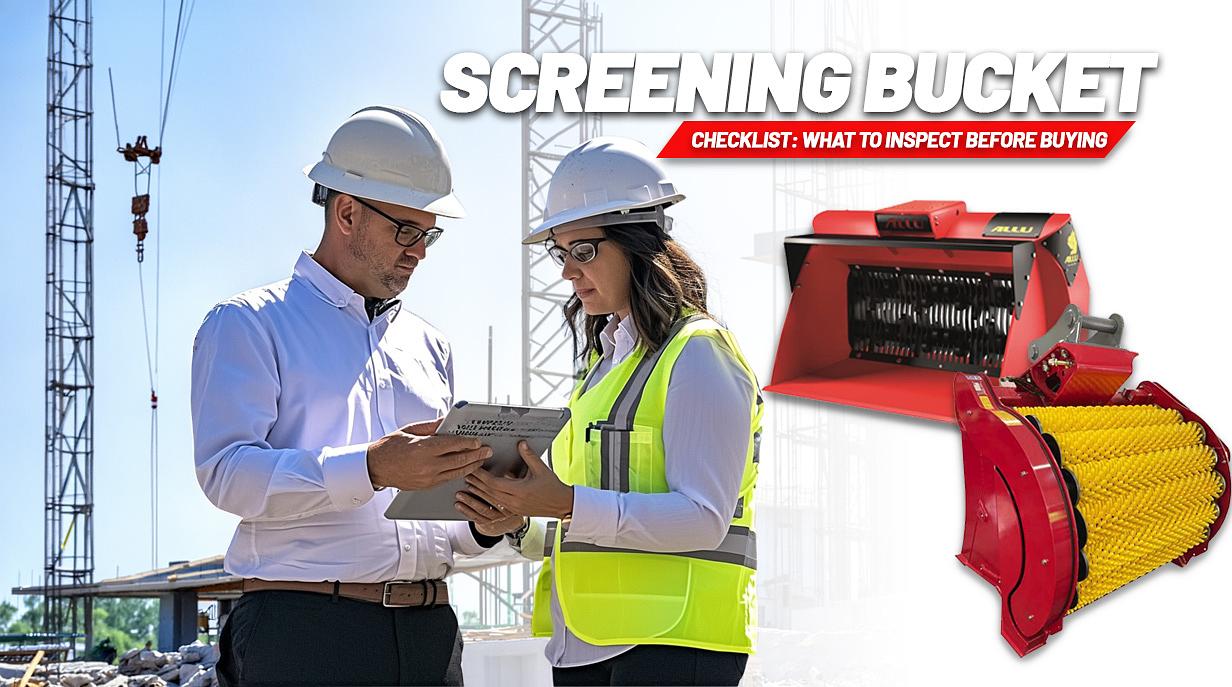
Pre-Purchase Inspection Points
A screening bucket is simpler than most standalone screening machines, but that does not mean there is nothing to check. These are the areas that matter most, in order of importance.
1. Screen Mesh and Media Condition
The screen media is the component that does the actual work. It is also the highest-wear item on the bucket. Inspect it carefully.
Look at the mesh openings across the entire screen surface. Wear shows up as enlarged openings, thinned wire, broken welds at the mesh frame connection, and holes where wires have snapped. Enlarged openings mean the bucket is no longer producing a consistent product size. A few broken wires can be tolerated temporarily, but widespread breakage means replacement is needed immediately.
Check the screen attachment method. Some screening buckets use bolt-in screen panels. Others use weld-in mesh or clip-on sections. Bolt-in panels are easier and cheaper to replace. Weld-in mesh requires more labor and downtime. Know what you are dealing with before you buy.
Ask the seller what size mesh is currently installed and whether replacement screens are available for that make and model. This is critical. If the manufacturer has gone out of business or does not support the model, you may not be able to source replacement screens at a reasonable price. That alone can make a used screening bucket worthless.
Estimate remaining screen life. If the mesh is 50% worn or more, factor in the cost of a new screen set. Replacement screen panels typically run $500 to $2,500 depending on the bucket size and screen type.
2. Drum Bearings or Vibration Motor Condition
Screening buckets come in two main styles: rotary drum types and vibrating types. Each has different wear points.
Rotary drum screening buckets (like ALLU Transformer models) use rotating drums or shafts to tumble and screen material. The drum bearings are the critical wear item. Spin the drums by hand if the bucket is not connected to an excavator. They should rotate smoothly with no grinding, clicking, or resistance. Any roughness in the bearings signals wear that will only get worse under load.
If you can run the bucket on an excavator during inspection, listen for bearing noise. A healthy rotary bucket has a smooth, steady sound. Grinding or knocking means bearings are failing. Check the bearing seals for damage or leakage. Failed seals let dirt and moisture into the bearings, which accelerates wear dramatically.
Vibrating screening buckets use a hydraulic vibration motor mounted to the bucket frame to shake material through the mesh. Inspect the vibration motor mounts for cracks, loose bolts, and fatigue damage. Vibration motors generate enormous cyclical forces. Weak mounts fail, and when they do, the motor can damage the bucket frame.
If possible, run the vibrating bucket and check that vibration is even and consistent. Uneven vibration, excessive noise, or a motor that struggles to start are all warning signs. A replacement vibration motor can cost $1,500 to $4,000 depending on the brand.
3. Mount Plate and Quick-Connect Compatibility
This is the item buyers overlook most often, and it causes the most frustration after purchase.
A screening bucket is only useful if it fits your excavator. Check the mount plate dimensions, pin spacing, and pin diameter. Compare them to your excavator's coupler or direct-pin configuration. Even small differences in pin spacing can make a bucket unusable without an adapter plate, which adds cost and reduces breakout force.
Common coupler systems include wedge-style quick couplers, pin-on mounts, and dedicated OEM coupler systems. Not all are interchangeable. A bucket built for a Caterpillar pin-on configuration will not fit a Komatsu coupler without modification.
Inspect the mount plate itself for cracks, bending, and elongated pin holes. A mount plate with egg-shaped pin holes has seen heavy use and may not seat securely in your coupler. Loose fit in the coupler is a safety issue.
If the bucket has a quick-connect mount plate, verify that the locking mechanism engages fully and holds under load. A bucket that drops off an excavator during operation is a serious hazard.
4. Hydraulic Fittings and Hoses
Every screening bucket runs on the excavator's auxiliary hydraulic circuit. The hydraulic connections must be in good condition.
Inspect all hydraulic hoses for cracking, abrasion, bulging, and leaks. Hoses that run along the exterior of the bucket take a beating from flying material and impact. Cracked or bulging hoses will fail under pressure. Budget $200 to $800 for a full hose replacement set if the existing hoses look marginal.
Check the hydraulic fittings at both the bucket end and the quick-disconnect couplers. Cross-threaded fittings, damaged O-rings, and corroded connectors all cause leaks. Leaking hydraulic fluid on a job site is an environmental issue and a sign of deferred maintenance.
Verify the hydraulic flow and pressure requirements of the screening bucket against your excavator's auxiliary circuit specifications. A bucket designed for a 20-ton excavator's hydraulic output will not perform well on a 10-ton machine. Under-powered hydraulics lead to slow screen speed, poor screening efficiency, and excessive heat buildup in the hydraulic system.
If the bucket has a hydraulic case drain line (common on motor-driven rotary buckets), make sure the case drain is functional and routed properly. A blocked or missing case drain will destroy the hydraulic motor.
5. Overall Structural Integrity
The bucket shell, side plates, and frame tie everything together. Structural damage here is expensive to repair and can make the bucket unsafe to operate.
Inspect all welds carefully. Pay particular attention to the welds where the mount plate meets the bucket body, the corners of the bucket shell, and any reinforcement gussets. These are the highest-stress areas. Look for cracks, especially hairline cracks that may have been painted over. Run your hand along the welds to feel for any separation or raised edges that indicate cracking beneath the paint.
Check the bucket shell for dents, bending, and deformation. Minor cosmetic dents on the exterior are normal wear. Deep dents or bends that affect the screen mounting surface or the bucket opening are more serious. A deformed bucket will not hold screen panels flat, which reduces screening efficiency and accelerates screen wear.
Look at the overall condition of the paint and metal. Heavy surface rust is cosmetic, but deep pitting indicates the bucket has been stored outside without protection for a long time. Pitted metal is thinner than it appears and may not meet the original structural specifications.
Red Flags: When to Walk Away
Some problems are fixable. Others are not worth the money or the risk. Walk away from a used screening bucket if you find any of the following.
Cracked frame or mount plate. A cracked bucket frame is not a simple weld repair. The frame absorbs vibration, impact, and the full weight of loaded material every working cycle. A repaired crack in a high-stress area will likely crack again. The cost of proper repair, if it is even possible, often exceeds the value of the bucket.
Seized or badly worn bearings with no sign of recent maintenance. If the drum bearings are seized or the vibration motor bearings are shot, the previous owner likely ran the bucket without maintaining it. That kind of neglect usually means other problems are hiding too.
Heavily worn screens with no replacement screens available. A screening bucket without available replacement screens is a paperweight. Before you agree to buy, confirm that the manufacturer or a third-party supplier can provide replacement screen panels for that specific make and model.
Unknown brand with no parts support. No matter how good the price looks, buying a bucket with no parts pipeline is a gamble. Screen media, bearings, seals, hydraulic motors, and vibration motors all wear out. If you cannot source replacements, the bucket has a limited lifespan. Stick with established brands like ALLU, MB Crusher, Epiroc, Wolverine, or Remu.
Evidence of major structural repair. Ground-down weld beads, mismatched paint, and visible patches on the frame suggest the bucket has been through significant damage. The repair may have restored cosmetic appearance without restoring structural strength.
Hydraulic motor that does not run or runs erratically. If the seller cannot demonstrate the bucket operating under hydraulic power, do not buy it. A non-functional hydraulic motor or vibration unit is the most expensive single component to replace.
Hours vs Condition: What Actually Matters
Used equipment buyers tend to focus on hour meter readings. With screening buckets, hours are a secondary consideration.
Most screening buckets do not have dedicated hour meters. Hours are estimated based on the excavator's total hours, which includes digging, loading, grading, and other work that does not involve the screening bucket at all. Even when an hour reading is available, it tells you very little about how the bucket was used.
What matters more than hours:
- Maintenance records. Any documentation of bearing service, screen changes, and hydraulic maintenance is valuable. A seller who kept records is a seller who maintained the equipment.
- Visual wear indicators. Screen condition, bearing smoothness, hydraulic hose condition, and structural integrity tell you more than any hour meter.
- Storage conditions. A bucket stored indoors or under cover shows less corrosion and seal degradation than one left in a field.
- Application history. A screening bucket that processed dry topsoil wears differently than one that screened wet clay or C&D debris with nails and rebar mixed in. Ask what the bucket was used for.
What Affects Resale Value
If you plan to resell the screening bucket eventually, or if you want to understand whether the asking price is fair, these are the factors that drive used values.
Brand reputation. Screening buckets from established manufacturers like ALLU, Epiroc, MB Crusher, and Simex hold their value because parts are available and buyers know what they are getting. Off-brand or generic buckets sell at steep discounts because future parts availability is uncertain.
Screen condition. A bucket with fresh screens or screens in good condition is worth meaningfully more than one that needs immediate screen replacement.
Mount compatibility. A screening bucket with a universal-style quick coupler mount appeals to more buyers than one with a machine-specific pin-on mount. Broader compatibility means a larger pool of potential buyers when it comes time to resell.
Age vs condition. A five-year-old bucket in excellent condition is worth more than a two-year-old bucket that has been beaten up. Physical condition matters more than manufacture date.
Size class. Mid-range screening buckets that fit the most common excavator classes (12 to 25 tons) have the broadest resale market.
Where to Find Used Screening Buckets
Equipment dealers and brokers. Dealers who specialize in screening and processing equipment evaluate condition before listing. You get more information about the machine, and in many cases, the dealer has inspected it or can arrange an inspection. Browse our current used screening equipment listings.
Online marketplaces. Sites like Machinio, Equipment Trader, and IronPlanet list used screening buckets from dealers and private sellers nationwide. These platforms give you the widest selection. The risk is that you are often buying based on photos and a description. Always inspect in person or hire a third-party inspector before committing.
Auctions. Live and online auctions (Ritchie Bros, IronPlanet, Purple Wave) occasionally include screening buckets. Auction pricing can be favorable for buyers. The downside is that auction purchases are typically sold as-is with no warranty or recourse.
Private sellers. Contractors selling directly often offer the lowest prices. Bring a mechanic or someone who knows screening equipment when you go to look at a private-sale bucket.
Manufacturer refurbished units. Some screening bucket manufacturers sell factory-refurbished units with new screens, rebuilt bearings, and fresh paint. These cost more than a standard used unit but come with some level of manufacturer backing.
Pricing Guide by Size and Age
Used screening bucket prices vary based on brand, size, age, and condition. These ranges reflect typical market pricing.
Excavator Class Bucket Size Typical Used Price Range Notes Mini (2-8 ton) Small $3,000-$6,000 Limited selection on used market Small (8-15 ton) Medium-small $4,000-$8,000 Common size, good availability Medium (15-25 ton) Medium $6,000-$12,000 Most popular size class Large (25-35 ton) Large $8,000-$15,000 Fewer units available used Extra large (35+ ton) Extra large $10,000-$15,000+ Rare on used market What moves a bucket to the top or bottom of the price range:
- Top of range: Name brand, good screen condition, recent bearing service, includes multiple screen sets, universal mount, full maintenance records.
- Bottom of range: Off-brand or discontinued brand, worn screens, no maintenance records, machine-specific mount, cosmetic damage.
New screening buckets in these same size classes typically sell for $8,000 to $30,000. A used bucket in good condition generally sells for 40% to 65% of the new price for that model. If the asking price on a used unit is above 65% of new, you should be getting a bucket in excellent condition with recent maintenance.
Consider the Alternatives
A used screening bucket is not the only option. Depending on your volume and application, a standalone screening machine may be a better long-term investment.
Trommel screens. A trommel screen is a standalone machine that screens material continuously at much higher throughput than a screening bucket. If you are screening more than 40 to 60 cubic yards per day on a regular basis, a trommel screen will outperform a screening bucket by a wide margin. For a detailed comparison, read our guide to choosing the right screening equipment.
Shaker screens. A shaker screen is another standalone option that fits between a screening bucket and a trommel in terms of throughput and cost. Small portable shaker screens process 20 to 80 cubic yards per hour and cost less than most trommels. They are a strong option for moderate-volume operations that need more capacity than a bucket but do not need a full trommel.
Screening bucket brands. If you decide a screening bucket is the right tool, knowing the major brands helps you evaluate used listings. Our screening bucket brand comparison covers the main manufacturers, their strengths, and what to expect from each brand.
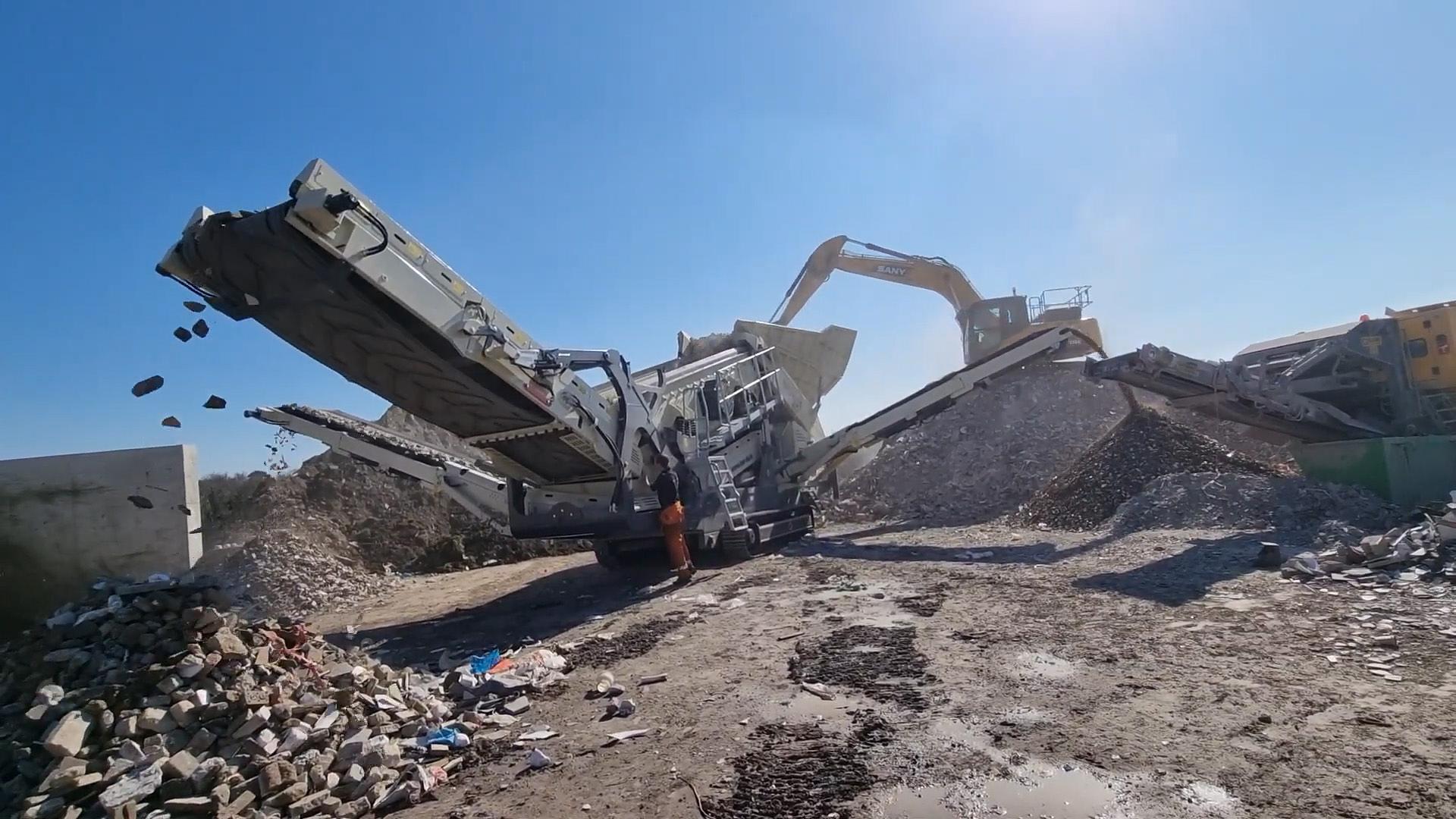
Machine above: The Screen USA CD516 - Shaker Screen
Frequently Asked Questions
How much does a used screening bucket cost?
Used screening buckets typically sell for $3,000 to $15,000 depending on the size, brand, age, and condition. The most common size class, fitting 15 to 25-ton excavators, usually falls in the $6,000 to $12,000 range. Name-brand buckets in good condition with available replacement parts hold value better than off-brand or discontinued models. Always factor in the cost of replacement screens and any needed repairs when evaluating the total purchase price.
What should I check first on a used screening bucket?
Start with the screen media. The screens are the highest-wear item and the most frequent replacement need. Check for worn mesh, broken wires, enlarged openings, and whether replacement screens are available for that specific make and model. If you cannot get replacement screens, the bucket has a limited useful life regardless of how good everything else looks. After the screens, check the bearings or vibration motor, the mount plate compatibility with your excavator, and the hydraulic fittings.
Are screening bucket replacement screens hard to find?
It depends entirely on the brand. Major manufacturers like ALLU, Epiroc, MB Crusher, and Simex maintain parts inventories and dealer networks. Replacement screens for these brands are readily available. Screens for off-brand, imported, or discontinued screening buckets can be difficult or impossible to source. Before buying any used screening bucket, confirm that screens are available for that specific model.
Should I buy a used screening bucket or a new one?
A quality used screening bucket at 40% to 65% of new price can be an excellent value if it passes inspection. The key is condition. A used bucket with good screens, functional bearings, and a compatible mount plate will perform just as well as a new unit. Where buying new makes more sense is when the used options available are heavily worn, from unsupported brands, or priced too close to new to justify the risk. If the price gap between used and new is less than 35%, buying new usually makes more sense because you get a full warranty and fresh components.
Can a screening bucket screen wet material?
Screening buckets struggle with wet, sticky material like clay-heavy soil or saturated topsoil. The mesh openings clog, throughput drops dramatically, and you spend more time clearing the screen than actually screening. If your primary application involves wet material, a trommel screen is a better choice. The tumbling action inside a trommel drum keeps material moving and prevents the buildup that plagues screening buckets. For dry topsoil, compost, gravel, and aggregate, screening buckets work well.
Is it worth buying a screening bucket from a brand I have never heard of?
Generally, no. Unknown brands often lack parts availability, dealer support, and documented specifications. The initial purchase price may be low, but the total cost of ownership rises quickly if you cannot source replacement screens, bearings, or hydraulic components. Stick with established brands that have a track record and a parts network. For a full breakdown of which brands are worth buying used, read our screening bucket brand comparison guide.
Ready to Find a Quality Used Screening Bucket?
We help buyers find used screening equipment that has been properly evaluated. We also sell new trommel screens and shaker screens for operations that need more throughput than a bucket attachment can deliver. Whether you are looking for a used screening bucket or considering a standalone screener, we can help you match the right equipment to your application and budget.
Call us at 770-433-2670 or email Sales@grindercrusherscreen.com. We will give you a straight answer.