





Mulch Blower Trucks: Brands, Costs, and Buying Guide
A mulch blower truck lets one crew cover more ground in a day than a team with wheelbarrows and rakes. These machines blow mulch, compost, soil, and other bulk materials through a hose and place them exactly where they need to go. No wheelbarrows, no hand spreading, and far less labor.
Blower trucks have become standard equipment for large landscape contractors, erosion control companies, and municipal crews. Here is what you need to know before buying one.
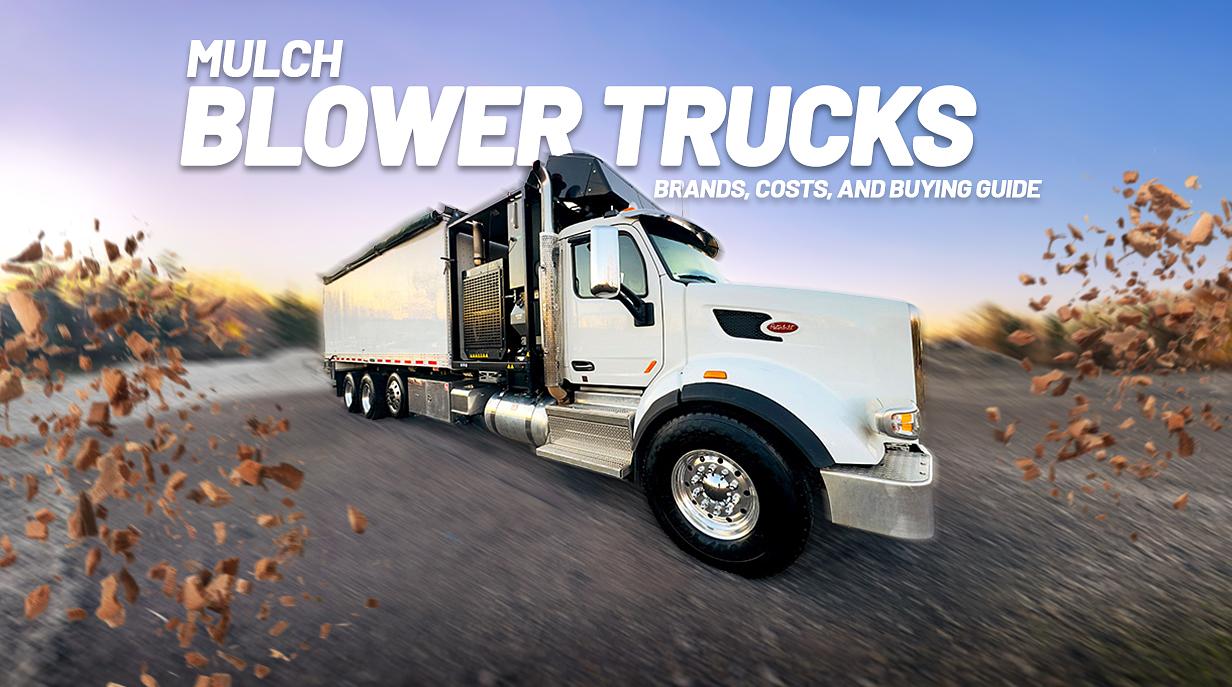
What Is a Mulch Blower Truck?
A mulch blower truck is a truck-mounted or trailer-mounted system that pneumatically delivers bulk materials through a hose. The operator controls the material flow from a remote at the end of the hose, placing mulch, compost, or soil exactly where it is needed.
These machines were originally built for bark mulch installation. Today they handle a wide range of materials for landscaping, erosion control, and site restoration work.
A single blower truck with a two-person crew can install mulch at rates that would require six to ten workers with wheelbarrows. That labor savings is the main reason contractors invest in this equipment.
How Mulch Blower Trucks Work
The basic operation is straightforward.
Bulk material is loaded into the truck's hopper using a loader or conveyor. A metering system feeds material from the hopper into an airstream created by a large blower (typically a positive displacement blower driven by a diesel engine or PTO).
The air-and-material mix travels through a flexible hose, usually 4 to 6 inches in diameter. Hose lengths can reach 300 feet or more. The operator at the end of the hose directs the flow using a nozzle.
Material exits the hose at high speed and lands in a relatively even layer. An experienced operator can place mulch around plants, along slopes, and in tight spaces with good accuracy.
The metering system is a critical component. It controls how much material enters the airstream. Too much material clogs the hose. Too little wastes air and time. Good metering systems allow the operator to adjust flow rate on the fly.
Types of Blower Trucks
Truck-Mounted Blower Systems
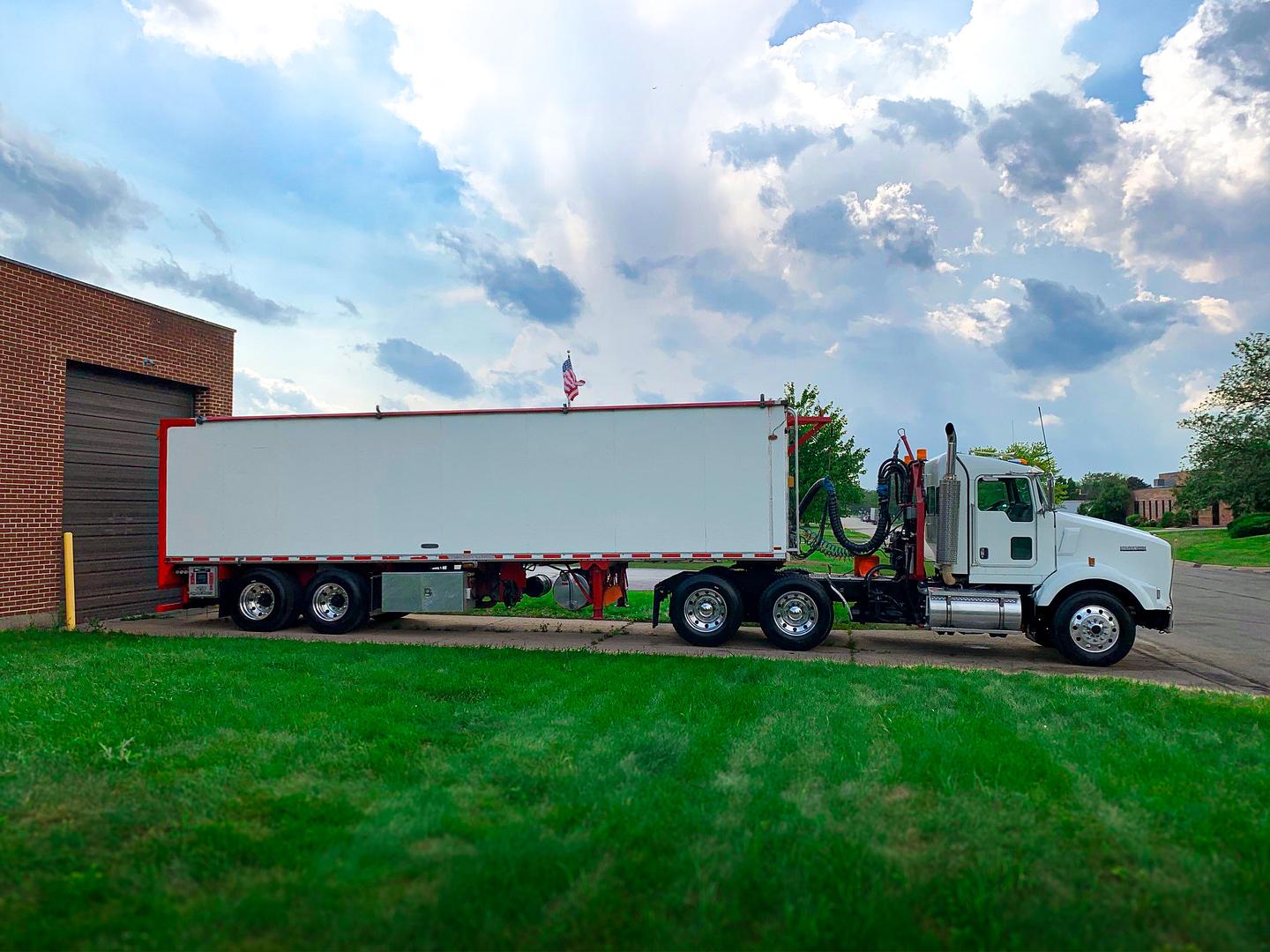
Truck-mounted units are built directly onto a truck chassis. The hopper, blower, engine, and hose system are permanently installed. These are the most common configuration for full-time blowing operations.
Truck-mounted systems typically carry 15 to 40 cubic yards of material per load. The larger units use a walking-floor conveyor system in the hopper to feed material forward to the metering system. This eliminates the need for a live bottom and keeps material flowing consistently.
The main advantage is capacity. A large truck-mounted blower can carry enough mulch to cover a substantial job without reloading.
Trailer-Mounted Blower Systems
Trailer-mounted blowers sit on a towable trailer. They offer more flexibility because any suitable tow vehicle can pull them. They are also easier to move between locations and store.
Trailer-mounted units are generally smaller, carrying 5 to 15 cubic yards per load. They work well for contractors who do blowing work part-time or need a machine they can park when not in use.
The trade-off is lower capacity per load and the added hassle of towing.
Comparison
Truck-mounted blower systems carry 15 to 40 cubic yards of material per load. They are self-contained and drive to the job site. Best for full-time blowing operations and large projects.
Trailer-mounted blower systems carry 5 to 15 cubic yards per load. They are towable, flexible, and can be stored when not in use. Best for part-time blowing, smaller operations, and entry-level buyers.
Top Mulch Blower Truck Brands
Several manufacturers build blower trucks for the landscape and erosion control market. Here are the names you will see most often.
Express Blower
Express Blower is one of the most recognized names in the industry. Their EB-60 and EB-45 models are widely used by landscape contractors and material suppliers across North America. Express Blower also runs a dealer network and provides operator training. Their machines are built for continuous commercial use.
Finn Corporation
Finn builds the BB302 and BB1208 series blower trucks. The company has deep roots in erosion control and hydroseeding equipment. Their blower trucks are popular with contractors who do both mulch installation and erosion control work. Finn machines are known for durable construction and parts availability.
Peterson
Peterson builds heavy-duty blower trucks for high-volume operations. Their machines are designed for the most demanding production environments. Peterson units are often found at material supply yards and large-scale landscape operations. The company also manufactures horizontal grinders, so their equipment is built with an industrial mindset.
Each brand has its strengths. The best choice depends on your operation size, the materials you plan to blow, and the dealer support available in your area.
What Materials Can a Blower Truck Handle?
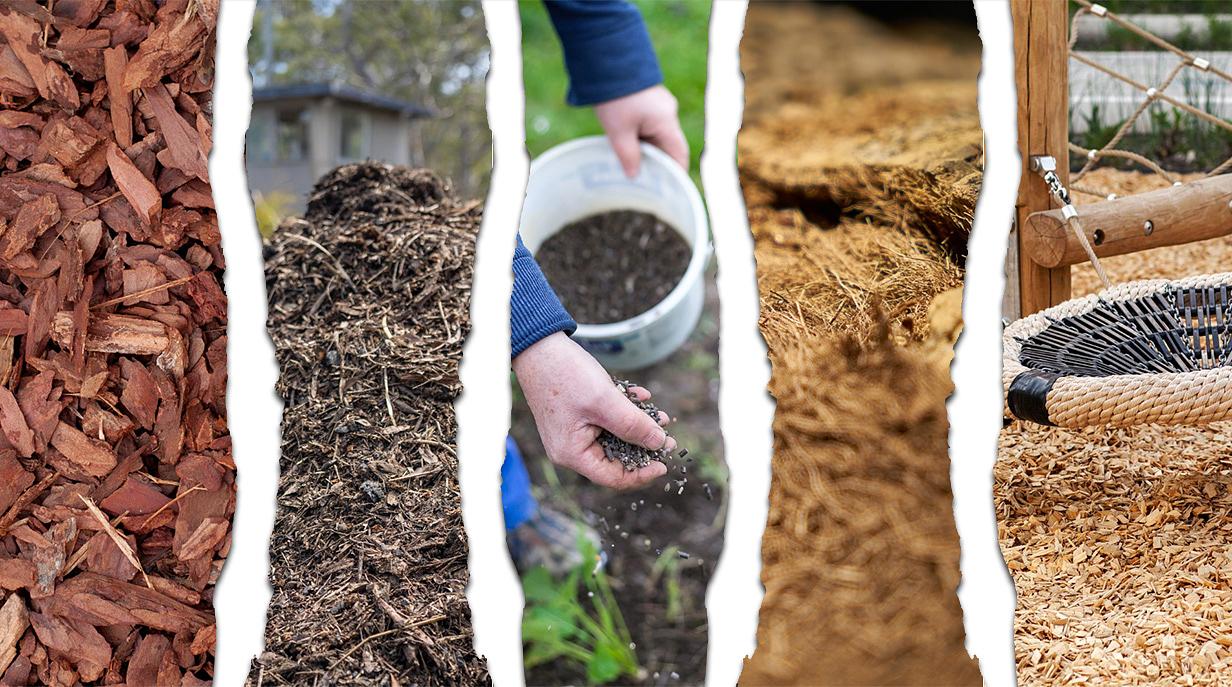
Blower trucks are more versatile than many buyers expect. Here are the materials most commonly installed with blower equipment.
Mulch (bark and wood chips). This is the bread and butter of the blower truck business. Bark mulch, shredded hardwood, and wood chips all blow well. Finer mulch products flow more consistently than chunky material.
Compost and soil blends. Many blower trucks handle screened compost and soil blends for topdressing lawns, amending garden beds, and building planting areas. The material must be screened to a consistent size. We carry trommel screens and shaker screens suited for producing blower-ready compost. Wet, clumpy compost will clog the system.
Seed and fertilizer mixes. Some blower trucks can apply seed and fertilizer blended with compost or mulch. This is an alternative to hydroseeding for certain applications. The seed is mixed into the material before loading.
Erosion control material. Straw, wood fiber mulch, and bonded fiber matrix products can be blown through hose for slope stabilization and erosion control. This is a large market for blower truck operators, especially on highway and construction projects.
Playground fiber. Engineered wood fiber for playground surfaces is a growing application. Blower trucks can install playground fiber quickly and evenly, meeting depth requirements for fall protection.
Capacity and Coverage Rates
How much ground a blower truck covers depends on the machine size, material type, and application depth.
Small trailer-mounted units (5 to 8 cubic yard capacity) can cover roughly 500 to 900 square feet per load at a 3-inch depth. These units suit small to mid-size landscape jobs.
Mid-size truck-mounted units (12 to 18 cubic yards) cover roughly 1,300 to 2,000 square feet per load at a 3-inch depth. This is the workhorse range for most landscape contractors.
Large truck-mounted units (20 to 40 cubic yards) handle large commercial and municipal projects. They can cover 2,200 to 4,300 square feet or more per load at a 3-inch depth.
Several factors affect actual coverage. Blow distance matters: longer hose runs reduce the volume of material delivered per minute. Terrain affects placement accuracy and speed. Material moisture and particle size influence how smoothly material flows through the system.
Most blower trucks can push material through 200 to 300 feet of hose. Some larger units reach farther. Beyond a certain distance, material flow drops and hose management becomes more difficult.
New vs Used: What to Check
A used blower truck can be a good value if you know what to look for. Here are the key items to evaluate.
Engine hours and maintenance history. The blower engine is the heart of the machine. Ask for service records. Low hours with documented maintenance are ideal. High hours without records are a red flag.
Hose and nozzle condition. Hose is a consumable item that wears from the inside out. Material flowing at high speed erodes the interior surface over time. Ask how old the hose is and how many feet have been replaced. Budget for hose replacement on any used purchase.
Blower and metering system wear. The positive displacement blower and metering mechanism handle abrasive material constantly. Inspect the blower lobes for wear. Check the metering system for worn paddles, chains, or auger flights. Worn metering systems cause inconsistent material flow.
Hopper and conveyor condition. Walking-floor conveyors and live-bottom hoppers take heavy abuse from loaders. Look for bent or damaged floor slats, worn chains, and hydraulic leaks in the conveyor drive system.
Chassis condition (truck-mounted). Evaluate the truck itself as you would any used commercial vehicle. Check the frame for rust and damage. Review brake condition, tire wear, and transmission operation. A great blower system on a failing truck is not a good deal.
Cost Factors
Purchase Price
New mulch blower trucks represent a significant investment. Pricing varies widely based on the chassis, hopper capacity, blower system, and options. Trailer-mounted units cost less than full truck-mounted systems.
Used blower trucks sell at a range of prices depending on age, condition, hours, and brand. A well-maintained used unit can offer good value for contractors entering the blowing business.
We list blower trucks for sale regularly. Pricing changes with the market, so check current inventory for real numbers.
Operating Costs
Fuel is a significant line item. The blower engine and the truck engine both consume fuel during operation. Diesel costs add up on a busy blowing day.
Hose replacement is an ongoing expense. Most operators budget for replacing sections of hose regularly. Inner hose wear is the most common consumable cost after fuel.
General maintenance includes blower oil changes, metering system parts, hydraulic fluid, and normal truck maintenance (tires, brakes, filters).
Return on Investment
Blower trucks pay for themselves through labor savings. A two-person blowing crew replaces a larger hand-spreading crew. The math works best on large-volume projects where the blower truck's speed advantage is greatest.
Contractors who consistently book large mulch or compost installation jobs see the fastest payback. Operators who add erosion control and playground fiber work create additional revenue streams from the same machine.
Frequently Asked Questions
How much does a mulch blower truck cost?
New truck-mounted blower systems are a major capital purchase. Trailer-mounted units cost considerably less. Used blower trucks vary widely based on age, brand, condition, and hours. Browse our current blower truck inventory for actual pricing, or call us at 770-433-2670 for specifics.
How far can a blower truck blow mulch?
Most blower trucks push material effectively through 200 to 300 feet of hose. Some larger units can go farther. Material flow rate decreases as hose length increases. Jobs that require very long hose runs may need the hose repositioned during the work.
Express Blower vs Finn: which is better?
Both are well-established manufacturers with strong dealer networks. Express Blower focuses exclusively on blower truck equipment. Finn builds blower trucks alongside their erosion control and hydroseeding product lines. The best choice depends on the materials you plan to blow, the dealer support in your area, and the specific model features that fit your operation. Talk to operators running each brand if possible.
Can a blower truck spray compost?
Yes, many blower trucks handle screened compost. The compost must be screened to a consistent particle size and at an appropriate moisture level. Wet, clumpy compost clogs hoses and metering systems. Well-screened, moderately dry compost blows well and is a popular material for lawn topdressing and garden amendment work. Browse our trommel screens for equipment that produces blower-ready compost.
We have been connecting buyers and sellers of bark blowers and blower trucks since 1973. Whether you are buying your first blower truck or upgrading to a larger unit, we can help you find the right machine.
Browse mulch blower trucks for sale or call us at 770-433-2670.