





Screened vs Unscreened Topsoil: What's the Difference?
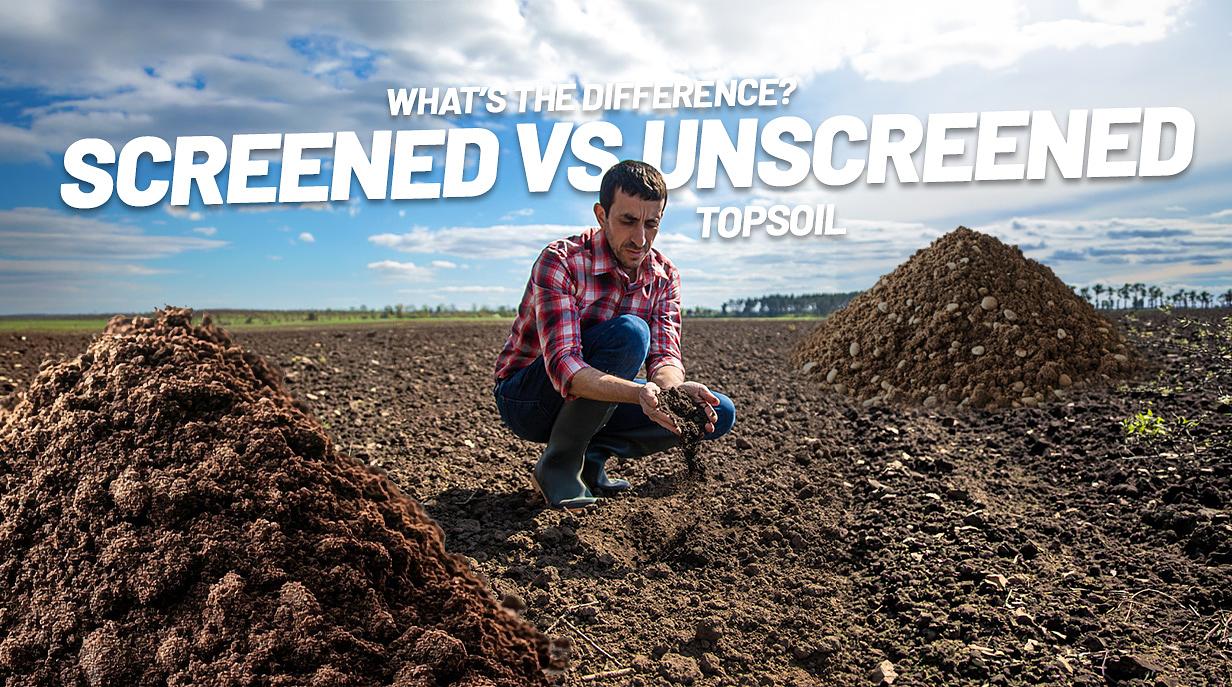
Not all topsoil is the same. The difference between screened and unscreened topsoil comes down to one thing: whether the material has been run through a screening machine to remove rocks, roots, and debris.
That single processing step changes the texture, consistency, and price of the soil. It also determines which jobs the topsoil is suited for. Here is what you need to know before you buy or produce either type.
What Is Screened Topsoil?
Screened topsoil is raw topsoil that has been processed through a screening machine. The screener separates the soil into two piles: a fine, uniform product and a pile of oversized material (called "overs") that did not pass through the screen openings.
The result is a clean, consistent soil free of rocks, sticks, clumps, and large root pieces. Screened topsoil has an even texture that is easy to spread, rake, and grade.
Most screened topsoil is processed through either a trommel screen or a shaker screen. Trommel screens use a rotating drum with holes to tumble and separate material. Shaker screens vibrate material across a flat or inclined screen deck. Both types do the job well, though each has advantages depending on moisture content and production volume.
Screen size determines the fineness of the finished product. A 1/2-inch screen produces fine garden-grade soil. A 3/4-inch screen creates a slightly coarser product that still works well for lawns and general landscaping. We cover the shaker screen vs trommel for topsoil comparison in a separate article on our Articles page.
Screened topsoil typically costs more per cubic yard than unscreened. That price premium reflects the labor, equipment, and time needed to process it.
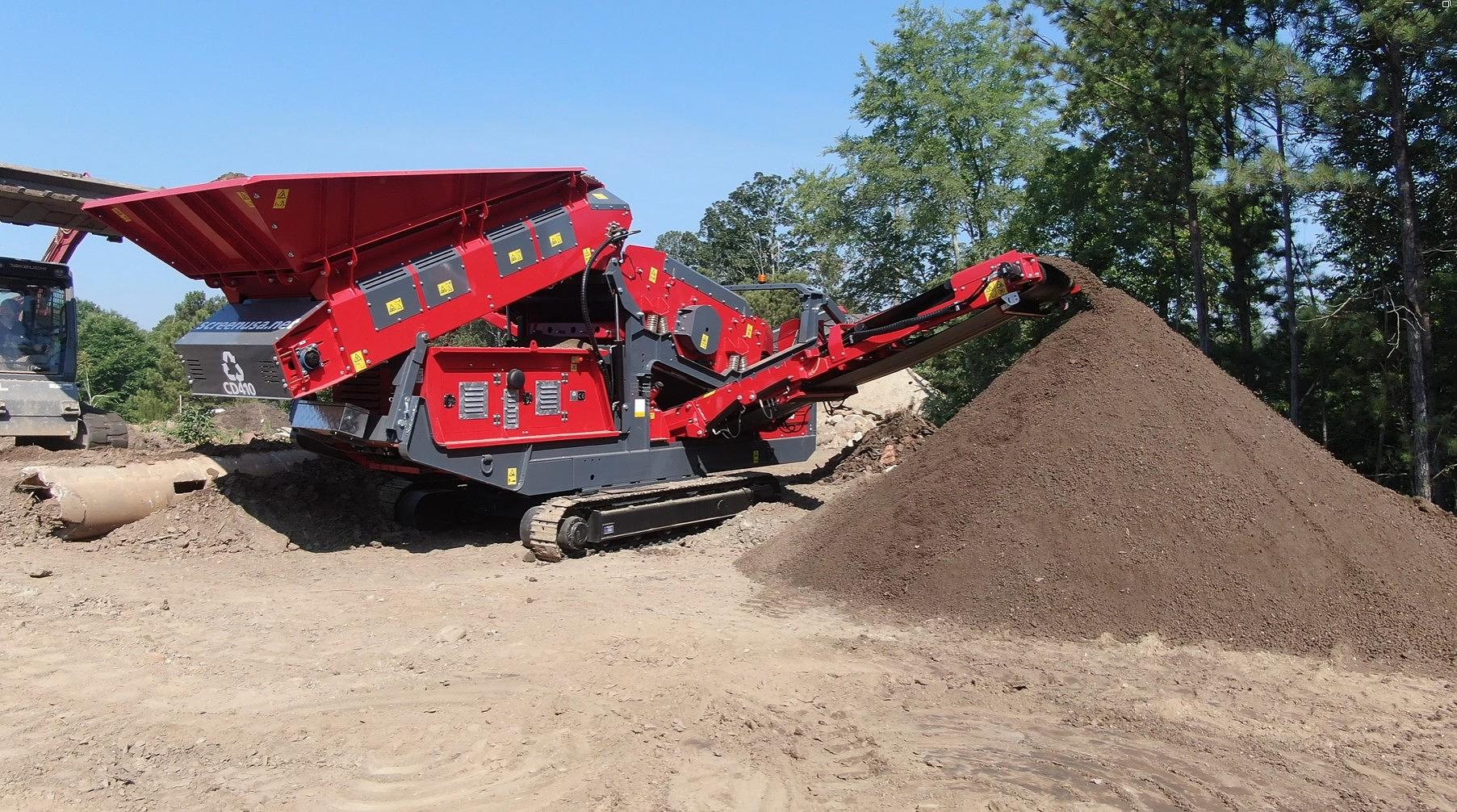
Machine above: Screen USA CD410
What Is Unscreened Topsoil?
Unscreened topsoil is raw dirt straight from the ground. It has not been processed through any screening equipment. What you get is whatever the excavator pulled up: soil mixed with rocks, roots, clay clumps, broken concrete, weed seeds, and other debris.
The texture varies from load to load. One truckload might be mostly clean loam. The next might be full of stones and clay chunks. There is no consistency, and that is the main drawback.
Unscreened topsoil is cheaper because it requires no processing. Many landscape supply yards sell it at half the cost of screened material, sometimes less. Excavation contractors often have large quantities available because they need to move dirt off job sites.
The quality depends entirely on the source. Topsoil stripped from a farm field will be very different from material excavated from a residential basement dig. Always ask the supplier where the soil came from.
Screened vs Unscreened: Key Differences
Texture. Screened topsoil is fine, uniform, and easy to rake. Unscreened topsoil is variable, often chunky and uneven.
Consistency. Screened topsoil delivers the same quality load to load. Unscreened material changes with every delivery.
Rocks and debris. Removed during screening in screened topsoil. Present in varying amounts in unscreened material.
Weed seeds. Reduced in screened topsoil, though small seeds may pass through. More likely in unscreened material, especially from farm fields.
Drainage. Screened topsoil has a good, consistent pore structure. Unscreened topsoil drainage is unpredictable and depends on clay content.
Cost per cubic yard. Screened topsoil typically runs $25 to $55 depending on region and grade. Unscreened topsoil runs $10 to $30 depending on source and quality.
Best uses. Screened topsoil works for lawns, gardens, raised beds, sod, and seed beds. Unscreened topsoil is best for fill, rough grading, and large-scale earthwork.
Prices vary widely by region, season, and supplier. These ranges are general estimates. Always get local quotes.
When to Use Screened Topsoil
Screened topsoil is the right choice any time appearance, consistency, or plant growth matters. Here are the most common applications.
Lawn installation and sod prep. Screened topsoil creates a smooth, level surface for sod or seed. Rocks and debris left in the soil will show through a finished lawn and can damage mower blades.
Garden beds and raised beds. Vegetable gardens and flower beds need soil with a fine, workable texture. Screened topsoil blends easily with compost and amendments. Rocks and clay clumps interfere with root growth and make planting difficult.
Final grading around new construction. The last few inches of soil around a new home or building need to be smooth and even. Screened topsoil grades easily and gives a clean finished appearance.
Seed bed preparation. Grass seed needs good soil contact to germinate. Screened topsoil provides a fine surface that holds seed in place and retains moisture evenly.
Topdressing existing lawns. Spreading a thin layer of screened topsoil over an existing lawn fills low spots and improves the soil profile. The fine texture settles into the grass without smothering it.
When Unscreened Topsoil Works Fine
Unscreened topsoil makes sense for jobs where appearance and fine texture do not matter. Using unscreened material on these projects saves money without sacrificing results.
Fill and backfill. If you are filling a hole, building up a low area, or backfilling around a foundation, unscreened topsoil does the job. The rocks and debris will be buried and out of sight.
Rough grading. Large grading projects that will later receive a layer of screened topsoil on top do not need processed material underneath. Use unscreened soil for the bulk of the fill and finish with a few inches of screened material.
Erosion control on slopes. Unscreened topsoil with some rock content can actually hold a slope better than fine screened material. The rocks add weight and structure. Once seeded and established, the surface stabilizes.
Large landscaping projects on a budget. If you need 100 or more cubic yards of topsoil for a park, athletic field base, or large property, using unscreened material for the sub-grade saves thousands of dollars. Screen only the top layer.
Berm construction. Building landscape berms requires large volumes of fill. Unscreened topsoil is the practical choice for the interior of the berm. Top it with screened material for planting.
How Topsoil Screening Works
The screening process is straightforward. Raw topsoil is loaded into a screening machine using a loader or excavator. The machine separates the material by size.
In a trommel screen, the soil enters one end of a rotating drum. As the drum turns, fine material falls through the screen openings and drops onto a conveyor or directly into a stockpile. Oversized material (rocks, roots, clumps) travels out the far end of the drum into a separate pile.
In a shaker screen, material is fed onto a vibrating screen deck. Vibration moves the soil across the screen surface while fine material falls through. Overs travel off the end of the deck.
Screen Sizes
The size of the screen openings determines the grade of the finished product.
- 1/2-inch openings: Produces fine garden-quality soil. Best for raised beds, seed beds, and potting mix blending.
- 3/4-inch openings: Produces general landscaping-grade soil. Works well for lawn installation, sod prep, and most residential projects.
Most topsoil producers keep both screen sizes on hand and switch based on the order. Some screeners allow quick screen changes in under an hour.
We go into much more detail on the full screening process, equipment choices, and production tips in our complete guide on our Articles page.
Frequently Asked Questions
Is screened topsoil worth the extra cost?
For lawns, gardens, raised beds, and any planting area, yes. Screened topsoil is easier to work with, produces better results, and saves labor time during installation. The price difference is usually $15 to $25 per cubic yard. On a typical residential project using 10 to 20 yards, the extra cost is modest compared to the total project budget.
For fill, grading, and buried applications, screened topsoil is an unnecessary expense. Use unscreened material and save the money.
What is the difference between screened and unscreened topsoil?
Screened topsoil has been processed through a screening machine to remove rocks, roots, debris, and large clumps. The result is a uniform, fine-textured soil. Unscreened topsoil is raw material straight from excavation with no processing. It contains whatever was in the ground: rocks, roots, clay chunks, and other debris. The texture and quality vary from load to load.
What screen size is best for topsoil?
For most residential and commercial landscaping work, 1/2-inch to 3/4-inch screen openings produce the best results. Use 1/2-inch for fine garden soil and raised beds. Use 3/4-inch for general lawn and landscaping projects. Screens smaller than 3/8-inch tend to blind (clog) quickly with topsoil, especially if the material has any moisture. Screens larger than 1 inch let too much debris through for most finished applications.
Find the Right Screening Equipment
We have been selling screening equipment since 1973. Whether you need a trommel screen, a shaker screen, or help choosing the right setup for your operation, we can help.
Browse topsoil screening equipment or call us at 770-433-2670.