





Asphalt Recycling: What You Need to Know About RAP Processing and Equipment
Asphalt is the most recycled material in North America. Every year, contractors and municipalities reclaim millions of tons of old pavement and turn it back into usable road material. This process saves money, conserves natural resources, and keeps waste out of landfills.
At GCS, we have been in the crushing and screening business since 1973. We sell the equipment that makes asphalt recycling work. Here is what you need to know about the process, the equipment, and the economics.
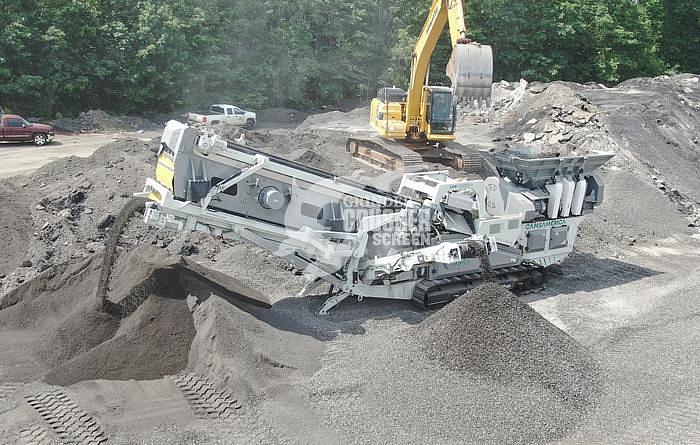
What Is Reclaimed Asphalt Pavement (RAP)?
RAP is old asphalt pavement that has been removed from roads, parking lots, and other surfaces. Once removed, the material is crushed and screened to a specific size. It can then be reused in new asphalt mixes or as aggregate for base and sub-base layers.
The asphalt binder in RAP still has value. When blended into new hot mix asphalt, it reduces the amount of virgin liquid asphalt needed. This is a direct cost savings on every ton produced.
RAP is not a waste product. It is a construction material with measurable performance characteristics.
How RAP Is Produced
There are two primary methods for removing asphalt pavement.
Milling uses a rotating drum with carbide teeth to grind off the top 2 inches of pavement. This is the most common method. Milling machines produce a granular material that is already partially sized and ready for further processing.
Full-depth removal takes out the entire pavement layer. This is used when the road structure has failed and needs complete reconstruction. The material comes out in large chunks and slabs that require more processing before reuse.
In-place recycling is a third approach. Cold in-place recycling (CIR) and hot in-place recycling (HIR) reprocess the pavement on-site without hauling it to a plant. These methods reduce trucking costs and emissions but require specialized equipment trains.
Environmental Benefits of Asphalt Recycling
The asphalt industry recycles at a higher rate than any other construction material. According to the National Asphalt Pavement Association (NAPA), roughly 95% of reclaimed asphalt pavement is reused or recycled each year.
The United States alone reclaims over 100 million tons of asphalt pavement each year. That material replaces virgin aggregate and liquid asphalt binder that would otherwise need to be mined and refined.
Recycling asphalt reduces landfill use. Old pavement that goes to a landfill takes up space and provides no value. Processing it into RAP turns a disposal problem into a revenue source.
Warm Mix Asphalt (WMA) technologies further reduce the environmental footprint. WMA allows asphalt to be produced at lower temperatures, which cuts fuel consumption at the plant by 20% or more compared to traditional hot mix production.
Equipment for Asphalt Recycling
Processing RAP requires specific equipment. The wrong machine will cost you time, money, and product quality. Here is what you actually need.
Impact Crushers: The Primary Machine for Asphalt
Impact crushers are the correct choice for crushing asphalt. An impact crusher uses high-speed blow bars or hammers to shatter material on impact. This works well with asphalt because the force breaks the material apart cleanly and produces a consistent, cubical product.
Asphalt is flexible and sticky at warm temperatures. A jaw crusher cannot handle it. Jaw crushers use compression to squeeze material between two plates. Asphalt deforms under compression instead of breaking. It sticks to the jaw plates, clogs the chamber, and stops production. Do not attempt to crush asphalt with a jaw crusher.
Horizontal shaft impact (HSI) crushers are the standard for RAP processing. They break asphalt slabs and chunks down to usable sizes, typically minus 2 inches or minus 1.5 inches depending on the spec. Many portable and track-mounted impact crushers are available for on-site processing.
We carry both new and used crushers for sale suited for asphalt recycling operations. As a master distributor for new equipment and a broker for used machines, we can match the right crusher to your production needs and budget.
Screening Equipment for Sizing RAP
After crushing, RAP needs to be screened to meet gradation specs. Different end uses require different sizes. Hot mix plants may want a minus 1-inch product. Base material might need a minus 2-inch spec.
Vibrating screens and trommel screens separate crushed RAP into the correct size fractions. Multi-deck screens can produce two or three products in a single pass. This lets you stockpile different grades and sell or use each one for its highest-value application.
We sell screening equipment designed for the demands of recycled material processing. RAP can be dusty and sticky, so screen selection matters. Proper screen media and deck configuration prevent blinding and keep production rates up.
Magnetic Separators for Metal Removal
Old pavement often contains rebar, wire mesh, and other metal debris. This metal must be removed before the material goes into a hot mix plant or is sold as aggregate.
Overhead belt magnets and magnetic head pulleys are installed on conveyors after the crusher. They pull ferrous metal out of the material stream automatically. This protects downstream equipment and ensures a clean final product.
A magnetic separator is not optional in asphalt recycling. Metal contamination will damage plant equipment and violate material specs.
Putting a System Together
A complete asphalt recycling setup typically includes the following components:
- A feed hopper with a vibrating grizzly feeder
- An impact crusher sized for your target throughput
- One or two screening decks for product sizing
- Conveyors to move material between stages
- A magnetic separator on the discharge conveyor
- Stackable conveyors for building stockpiles
Portable and track-mounted systems allow you to set up at a job site and process material where it is generated. This eliminates hauling costs and speeds up project timelines. Stationary plants make sense for contractors with a yard or recycling depot that receives material from multiple projects.
Cost and ROI of Asphalt Recycling
Asphalt recycling is profitable when done correctly. The economics depend on several factors, and understanding them will tell you whether the investment makes sense for your operation.
Tipping Fees Saved
If you are currently paying to dump old asphalt at a landfill or transfer station, recycling eliminates that cost. Tipping fees vary by region but can run $30 to $80 per ton or more in some areas. On a project that generates 5,000 tons of millings, that is a significant expense you no longer have to pay.
Some recycling operations also accept asphalt from other contractors and charge their own tipping fee. This creates a second revenue stream from the same equipment.
Material Reuse Value
Processed RAP has real market value. It can be sold as aggregate base, used in cold patch, or blended into new hot mix. The value depends on your local market, but RAP typically sells for less than virgin aggregate while still generating a healthy margin over processing costs.
Using RAP in your own projects reduces the amount of virgin material you need to purchase. Every ton of RAP that replaces virgin aggregate saves you the cost of buying, hauling, and handling new stone.
Equipment Costs
The upfront cost of crushing and screening equipment is the biggest variable. A used portable impact crusher may start around $100,000 to $200,000. New track-mounted impact crushing plants can range from $300,000 to $700,000 or more depending on size and features.
Screening plants, conveyors, and magnetic separators add to the total. A complete portable recycling system can represent a significant capital investment.
Operating costs include fuel, wear parts (blow bars, screen media, belts), and labor. Impact crusher blow bars are a recurring expense. How fast they wear depends on the material, production volume, and crusher speed settings.
Calculating Your Return
The payback period depends on your volume. A contractor processing 50,000 tons per year will recover equipment costs much faster than one processing 10,000 tons. Key numbers to estimate include the following:
- Tons per year you will process
- Tipping fees you currently pay (or will charge)
- Market price of RAP in your area
- Cost of virgin aggregate you will replace
- Equipment purchase or lease cost
- Operating and maintenance cost per ton
Many contractors see a payback period of one to three years on asphalt recycling equipment when they have consistent volume.
Applications for Recycled Asphalt
RAP serves multiple purposes in road construction and site work.
Hot mix asphalt (HMA): RAP is blended with virgin aggregate and new liquid asphalt binder at the plant. Most state DOTs allow 15% to 30% RAP content in surface mixes, with higher percentages permitted in base and binder courses.
Cold mix and cold patch: RAP can be combined with emulsified asphalt to produce cold mix for pothole repair and temporary patching.
Aggregate base and sub-base: Crushed RAP makes a strong, stable base course material. It compacts well and binds together over time as residual asphalt in the material reactivates under traffic loading.
Shoulders and unpaved roads: RAP is widely used as a surface material for road shoulders, driveways, and unpaved access roads. It compacts to a hard surface and resists erosion better than loose gravel.
Performance of RAP in Asphalt Mixes
Pavements made with RAP perform as well as those made entirely with virgin materials. The aged binder in RAP is stiffer than new binder, which can actually improve resistance to rutting under heavy traffic.
Modern mix design methods account for the properties of the aged binder in RAP. Softer virgin binders or rejuvenating agents are used to restore flexibility and prevent cracking.
Research by the Federal Highway Administration (FHWA) and state transportation departments has consistently shown that mixes with properly designed RAP content meet all performance requirements for durability, fatigue resistance, and moisture susceptibility.
Industry Standards and Regulations
NAPA and FHWA both actively promote increased use of RAP in asphalt paving. NAPA publishes best practices for RAP stockpile management, testing, and mix design.
Many state DOTs have increased allowable RAP percentages in recent years as confidence in the material has grown. Some states now allow 40% or more RAP in certain mix types. Regulations vary by state and by layer within the pavement structure, so check your local DOT specifications.
Proper stockpile management is essential for consistent quality. RAP should be fractionated (separated into distinct size ranges), tested regularly, and protected from contamination. Consistent RAP input leads to consistent mix output.
Getting Started with Asphalt Recycling
If you are considering adding asphalt recycling to your operation, start with these steps.
First, estimate your annual volume. How much asphalt do you currently remove and haul away each year? Add any material you could accept from other contractors in your area.
Second, identify your end product. Will you sell processed RAP, use it in your own projects, or both? This determines the gradation specs you need to hit and the equipment configuration required.
Third, talk to an equipment supplier who knows recycling applications. The wrong crusher or screen will cost you production and profit. We help contractors spec the right system every day. Call us at 770-433-2670.
We carry new and used impact crushers, screening equipment, and complete recycling systems. Whether you need a single machine or a full plant, we can help you find the right fit.
Frequently Asked Questions
What equipment do you need for asphalt recycling?
A basic asphalt recycling operation requires an impact crusher, a screening plant, and a magnetic separator. The impact crusher breaks down asphalt slabs and millings to a target size. The screening plant sorts the crushed material into specific gradations. The magnetic separator removes rebar, wire mesh, and other metal debris. You will also need a feed system (hopper and feeder) and conveyors to move material between stages. Portable and track-mounted systems are available for on-site processing.
Can you crush asphalt with a jaw crusher?
No. Jaw crushers are not suitable for asphalt. A jaw crusher works by squeezing material between two steel plates. Asphalt is flexible and sticky, so it deforms under compression instead of fracturing. The material packs into the crushing chamber, sticks to the jaw plates, and causes constant plugging and downtime. Impact crushers are the correct equipment for asphalt. They use high-speed impact force to shatter the material, producing a clean, consistent product without the clogging problems that jaw crushers create.
What is RAP and how is it used?
RAP stands for Reclaimed Asphalt Pavement. It is old asphalt that has been milled or removed from roads, parking lots, and other paved surfaces. After removal, the material is crushed and screened to specification. RAP is used in new hot mix asphalt production, as aggregate base for road construction, as cold patch material, and as surfacing for shoulders, driveways, and unpaved roads. The asphalt binder still present in RAP reduces the amount of new liquid asphalt needed in hot mix production, which lowers costs.
How much RAP can be used in new asphalt?
Most state departments of transportation allow 15% to 30% RAP in surface course asphalt mixes. Higher RAP percentages, sometimes 40% or more, are often permitted in base and binder course layers. The allowable percentage varies by state and by the specific mix design. Advances in mix design and the use of rejuvenating agents are pushing these limits higher over time.
Is asphalt recycling profitable?
Yes, for operations with sufficient volume. Revenue comes from tipping fees charged to accept old asphalt, sales of processed RAP, and savings on virgin material purchases. Costs include equipment, fuel, wear parts, and labor. Most contractors with consistent volume see a return on their equipment investment within one to three years. The exact payback depends on local tipping fees, material prices, and how much tonnage you process annually. Call us at 770-433-2670 to discuss the right setup for your operation.